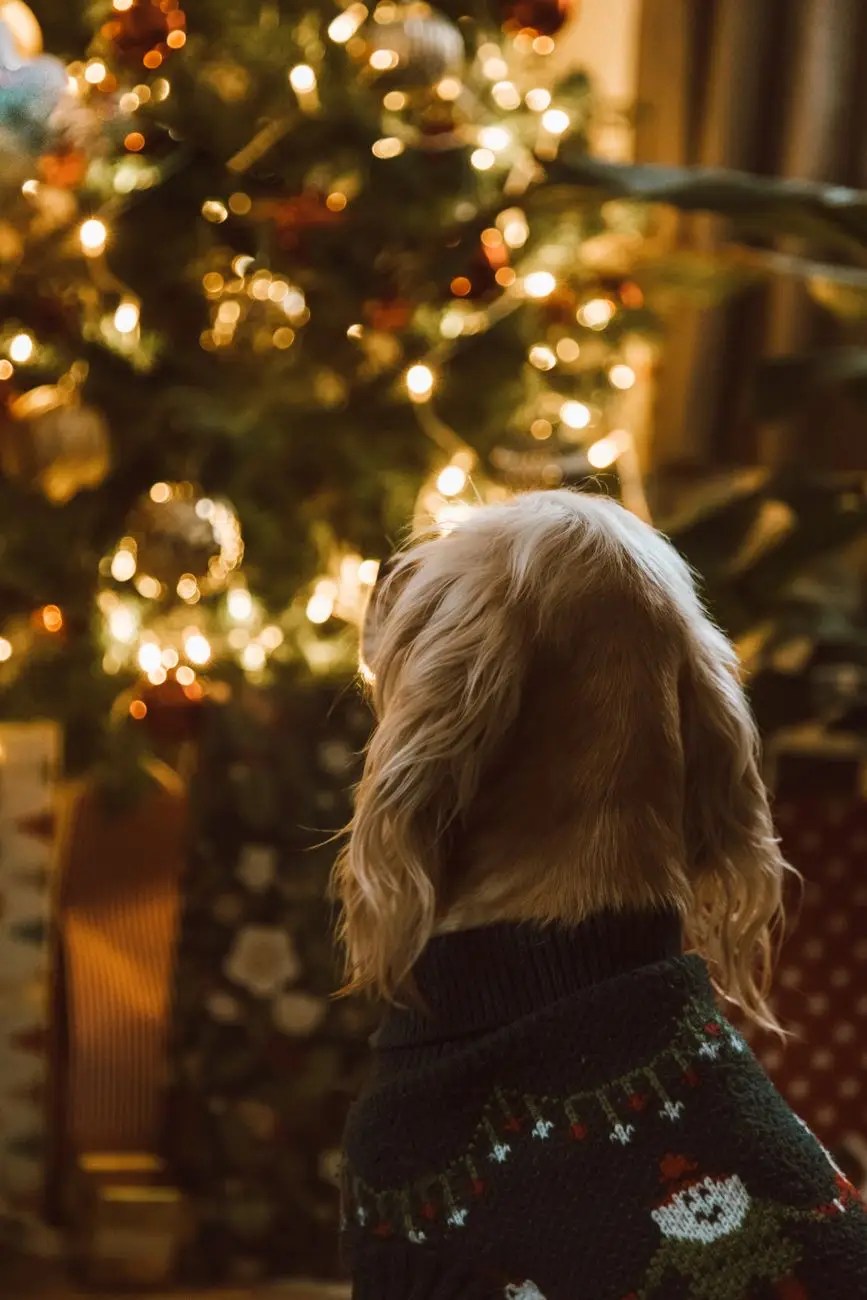
A house full of food, presents and visitors gives curious pets plenty to investigate. A little preparation can help prevent an emergency.
- Put mince pies and Christmas cake out of reach.
Raisins, sultanas, currants and grapes can cause kidney failure in dogs. Keep puddings, cakes and mince pies securely stored—even a small amount warrants an immediate call to your vet. - Keep chocolate gifts off the floor.
Pets can sniff out food through wrapping paper. Store edible presents securely and leave chocolate decorations off the tree. Sugar-free sweets containing xylitol are also dangerous to dogs. - Resist sharing the rich bits.
Fatty foods such as turkey skin and pigs in blankets can cause digestive upset and may trigger pancreatitis. Stuffing and gravy may contain toxic onions or garlic. Ask guests to stick to your pet’s usual treats. - Secure the kitchen bin.
Cooked bones can splinter or cause blockages. Meat string, foil and skewers are dangerous if swallowed, and mouldy leftovers can cause poisoning. Clear plates promptly and keep rubbish inaccessible. - Keep drinks beyond reach.
Alcohol is poisonous to pets. Clear away unattended glasses and spills, including cream-based drinks that may be particularly tempting. - Clear ribbons and tinsel as you go.
Swallowed ribbon, string and tinsel can cause serious intestinal injury or blockage. Keep them away from pets and collect small toys, cracker contents and batteries promptly. - Make the tree safe.
Use a sturdy base and secure it against toppling. Keep fragile decorations and electrical cables out of reach, sweep up fallen needles and prevent pets drinking tree water. Choose LED candles over open flames. - Check festive flowers before bringing them home.
True lilies and daylilies are extremely dangerous to cats, including their pollen and vase water. Avoid them in homes with cats. Holly, mistletoe, ivy and poinsettias can also cause illness if eaten. - Give your pet permission to opt out.
Provide a quiet space with familiar bedding and water. Keep meals, walks and rest as consistent as possible, and ask visitors to leave resting or hiding pets alone. Pets don’t need a costume or a Christmas cuddle from everyone. - Plan for the holiday closures.
Order repeat medication in good time and save your vet’s emergency number. If you suspect poisoning or swallowing a dangerous object, call immediately—even if your pet seems well. Keep the packaging and never try to make them vomit unless your vet instructs you.
The best Christmas treat? Familiar comforts, safe surroundings and time with you.

