
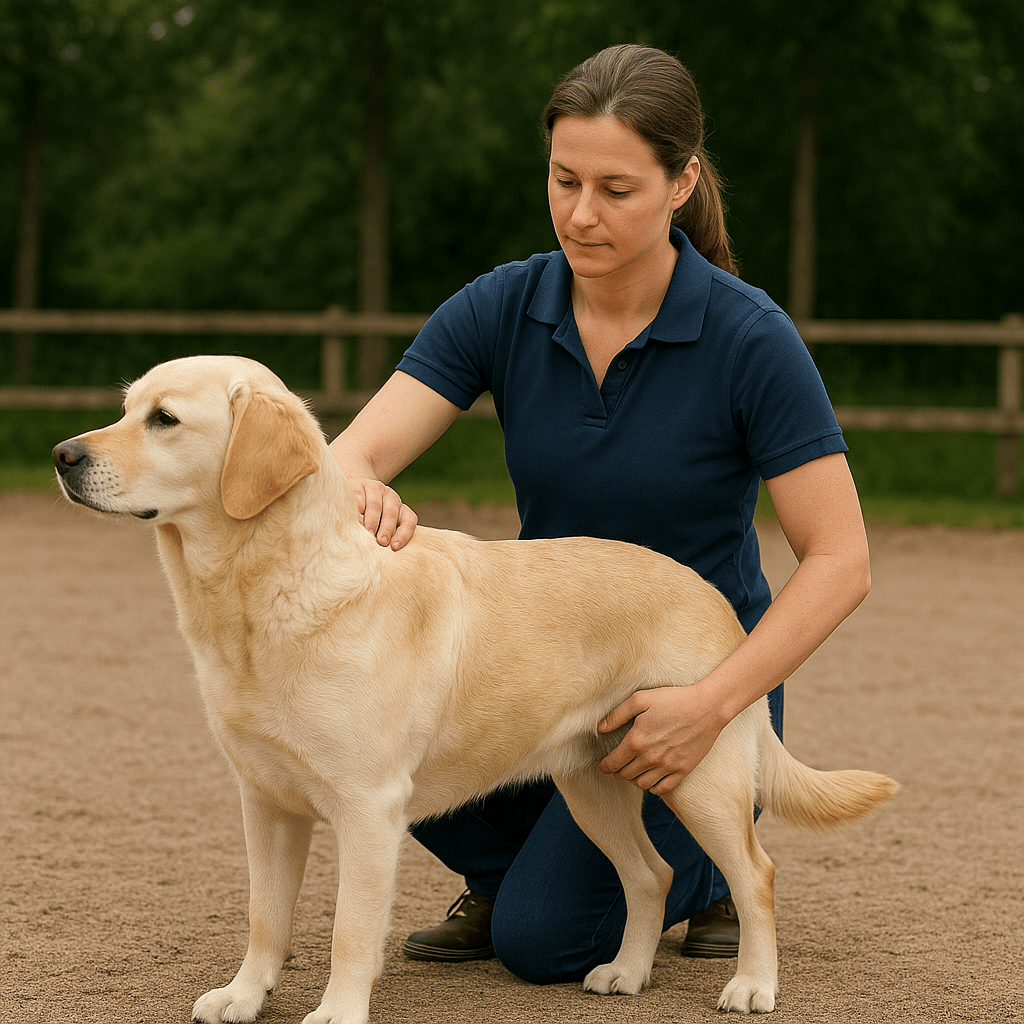
Prevention is always better than cure and when it comes to our horses and dogs, that’s especially true. Subtle imbalances in movement or posture often go unnoticed until they develop into soreness, strain, or even injury. Osteopathy offers a proactive way to identify and correct these issues early, helping animals stay sound, comfortable, and ready for whatever they love doing most.
Understanding the Principle of Prevention
Just like people, animals develop habitual patterns of movement over time. These can be influenced by conformation, training, tack or harness fit, lifestyle, and even emotional stress. When one part of the body stops moving freely, other areas compensate — and that’s where problems begin.
For instance, a horse that favours one rein might overload one shoulder or hip, while a dog recovering from a mild sprain might shift weight to the opposite side, tightening the spine or neck. These subtle changes often precede visible lameness or discomfort, but they can be felt through skilled palpation and observation by an osteopath.
By restoring balance and mobility early, osteopathic treatment can prevent small restrictions from turning into chronic or performance-limiting injuries.
How Osteopathy Helps Maintain Soundness
Osteopathy works by supporting the body’s natural ability to adapt and repair. Through careful assessment and gentle manual techniques, the osteopath helps keep the body functioning efficiently, ensuring that:
- Muscles and joints move freely, reducing the risk of strain or tearing
- Circulation and lymphatic flow are optimised, promoting healthy tissues
- The nervous system functions smoothly, allowing clear communication between brain and body
- Compensations are corrected early, before they lead to pain or injury
For horses, this might mean maintaining even movement under saddle, improving straightness, and supporting joint health during training. For dogs, it can help prevent repetitive strain from agility, flyball, or everyday play.
Recognising the Early Signs of Imbalance
Owners often sense when something feels “off,” even before overt signs appear. Some early indicators that your horse or dog might benefit from preventive osteopathic care include:
- Stiffness after rest or reduced flexibility
- Reluctance to perform certain movements or exercises
- Shortened stride, uneven loading, or changes in gait rhythm
- A drop in performance, willingness, or focus
- Behavioural changes such as irritability or restlessness
Addressing these subtle clues before they progress can keep the animal moving well and feeling at ease.
Integrating Osteopathy Into Routine Care
Preventive osteopathic care works best as part of a holistic management plan. Regular check-ups, even just a few times a year, can help maintain balance and detect issues before they escalate.
For performance horses or working dogs, sessions may be timed alongside training cycles or following competitions to aid recovery and prevent overload. For companion animals, osteopathic visits can support general wellbeing, helping to offset the natural effects of ageing or inactivity.
Working closely with your vet, farrier, saddler, or trainer ensures that every aspect of the animal’s care supports its long-term health and comfort.
Benefits Beyond Injury Prevention
While the primary goal may be to prevent injury, many owners notice additional benefits from regular osteopathic treatment, such as:
- Improved suppleness and ease of movement
- Enhanced performance and stamina
- Quicker recovery after exercise
- A calmer, more relaxed demeanour
Osteopathy supports the body as a whole — physically and neurologically — creating conditions where optimal movement and resilience come naturally.
A Proactive Approach to Health and Longevity
Injury prevention isn’t just about avoiding setbacks, it’s about enabling your animal to move with freedom, confidence, and joy. Whether your horse is in regular work or your dog enjoys active play, osteopathy provides a gentle, effective way to support their physical wellbeing and performance long-term.
By investing in regular osteopathic care, you’re not just treating issues as they arise, you’re helping to ensure a lifetime of comfortable, balanced movement.
 New Forest Animal Osteopathy