
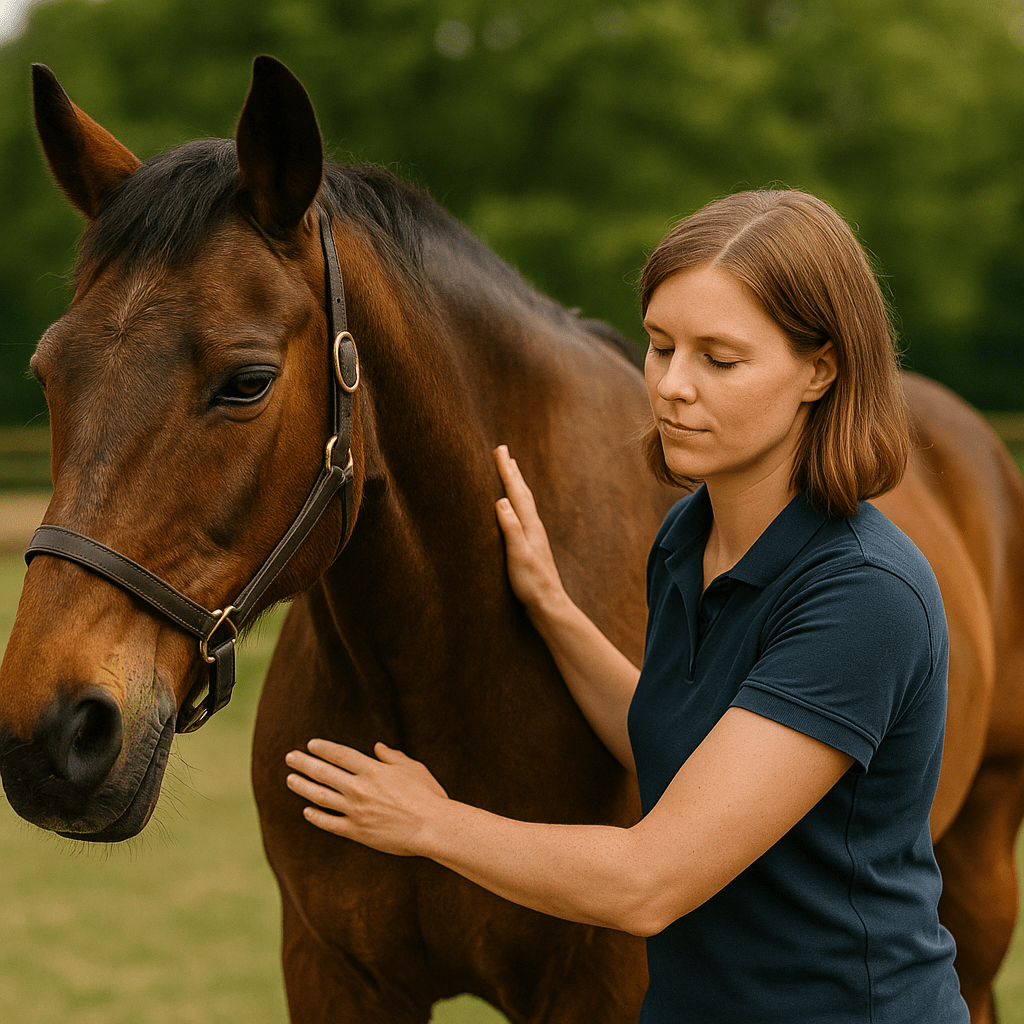
As horses age, their care needs change due to natural musculoskeletal deterioration. Osteopathy provides gentle support, improving mobility, balance, and overall wellbeing for senior horses. Signs of discomfort include shorter strides and reluctance to bend. Regular osteopathic treatment enhances comfort, allowing older horses to maintain an active, fulfilling life.
Category Archives: equine
Importance of Posture and Core Strength in Horses
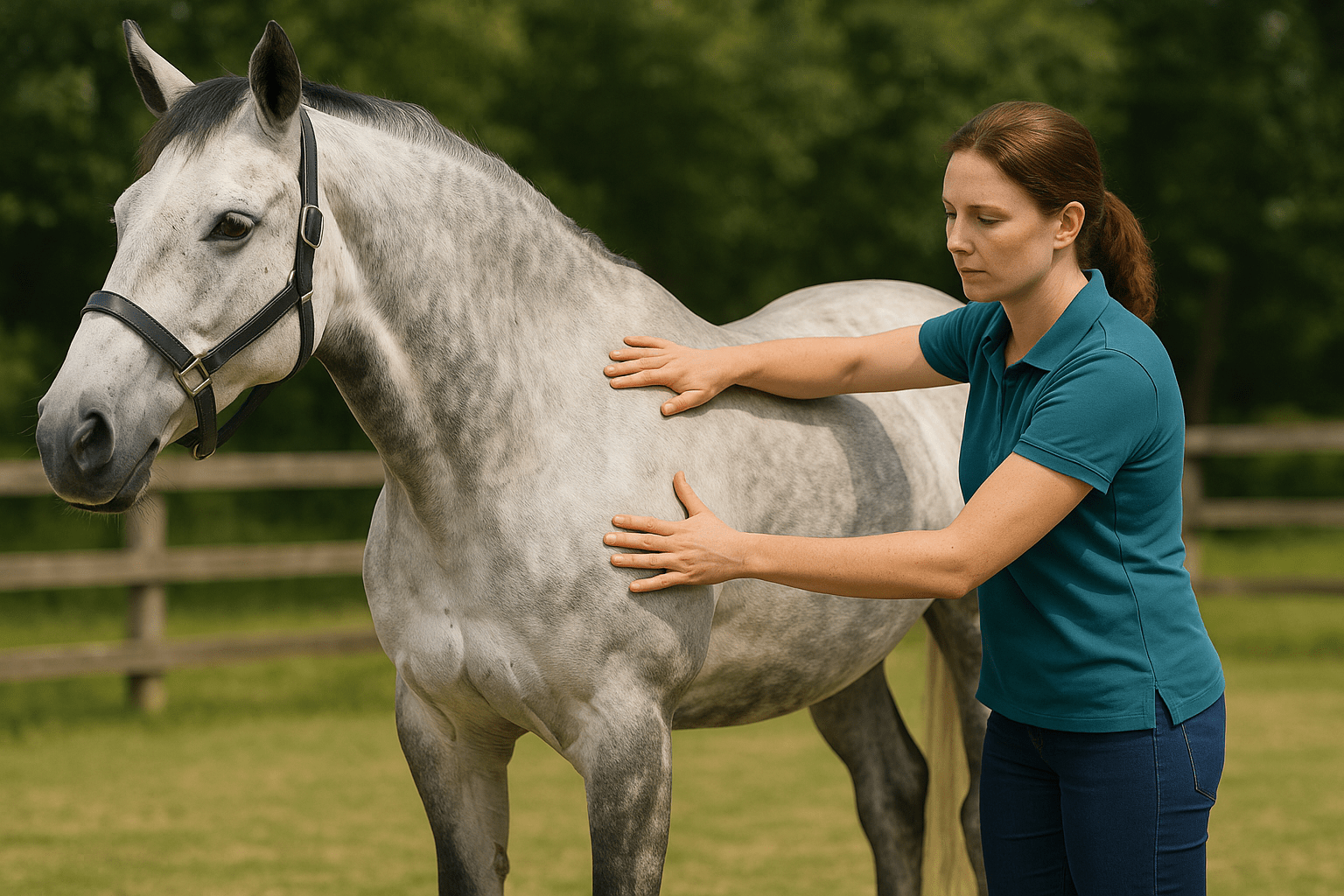
Posture and core strength are crucial for equine health, influencing movement efficiency, soundness, and performance. Osteopathy aids in assessing and enhancing these aspects by improving joint mobility and muscle balance. Exercises like pole work and hill training can strengthen the core. Overall, holistic care supports a horse’s well-being and longevity.
The Role of Osteopathy in Injury Prevention in Animals
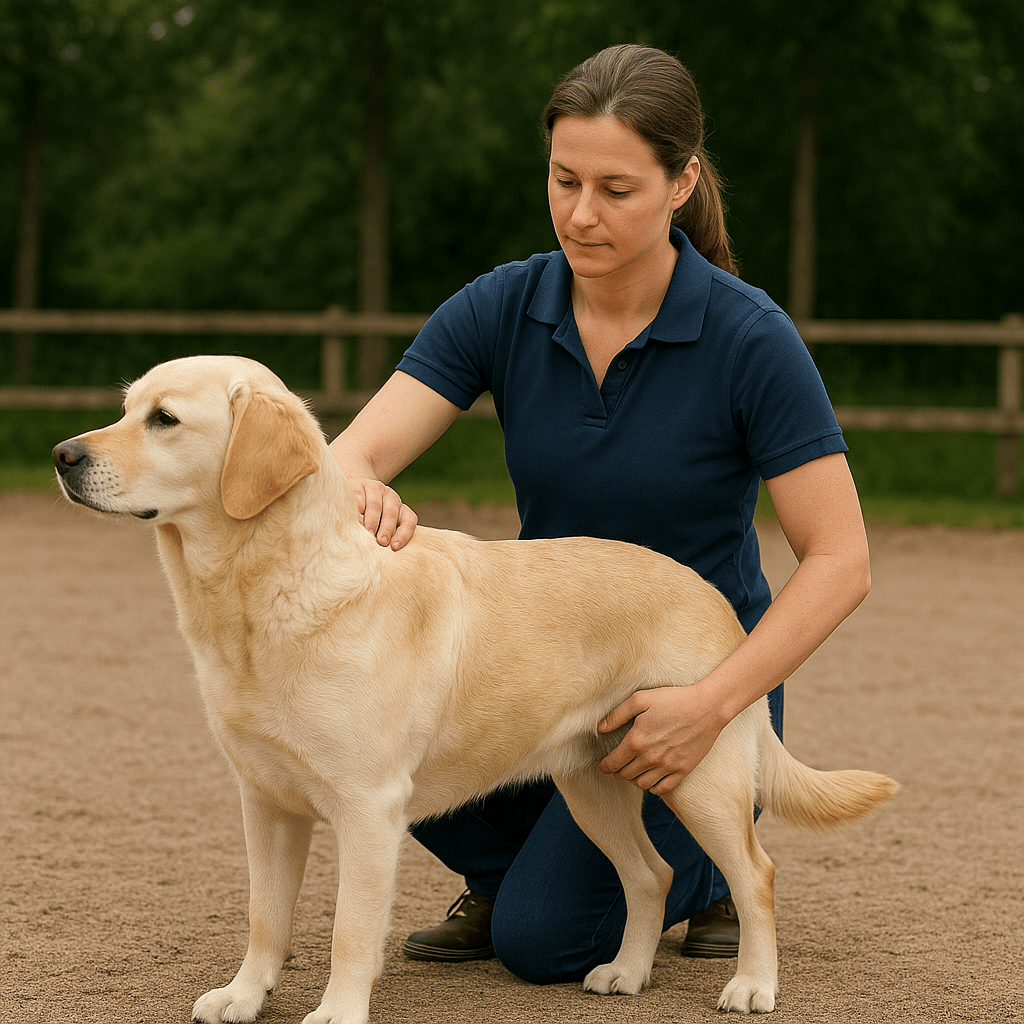
Osteopathy emphasizes the importance of preventive care for horses and dogs by identifying subtle movement imbalances before they lead to injuries. Through skilled assessment and gentle techniques, osteopathy promotes balanced movement, enhances performance, and supports overall wellbeing. Regular check-ups can help maintain health and comfort, ensuring animals move freely with joy.
Wobblers in Horses: Understanding Cervical Vertebral Stenotic Myelopathy (CVSM) and How Osteopathy Can Support Recovery
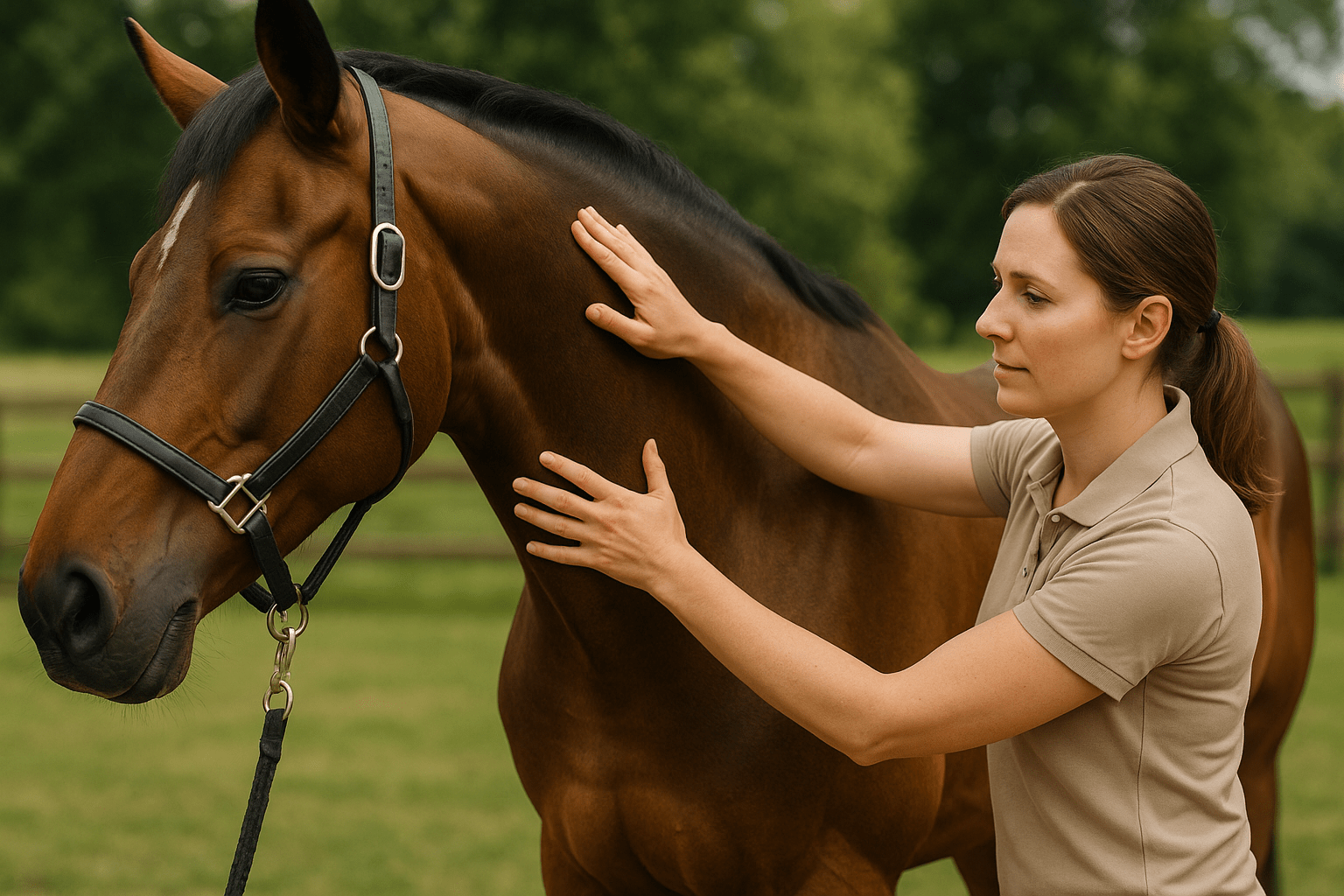
Wobbler Syndrome, a neurological condition affecting horses, disrupts spinal cord communication, leading to unsteady movements and coordination issues. Common symptoms include stumbling and loss of balance. Diagnosis requires veterinary assessment, while treatment options vary. Osteopathy can help manage secondary effects and improve overall comfort, enabling horses to maintain better quality of life.
How Osteopathy Can Help Common Gait and Movement Issues
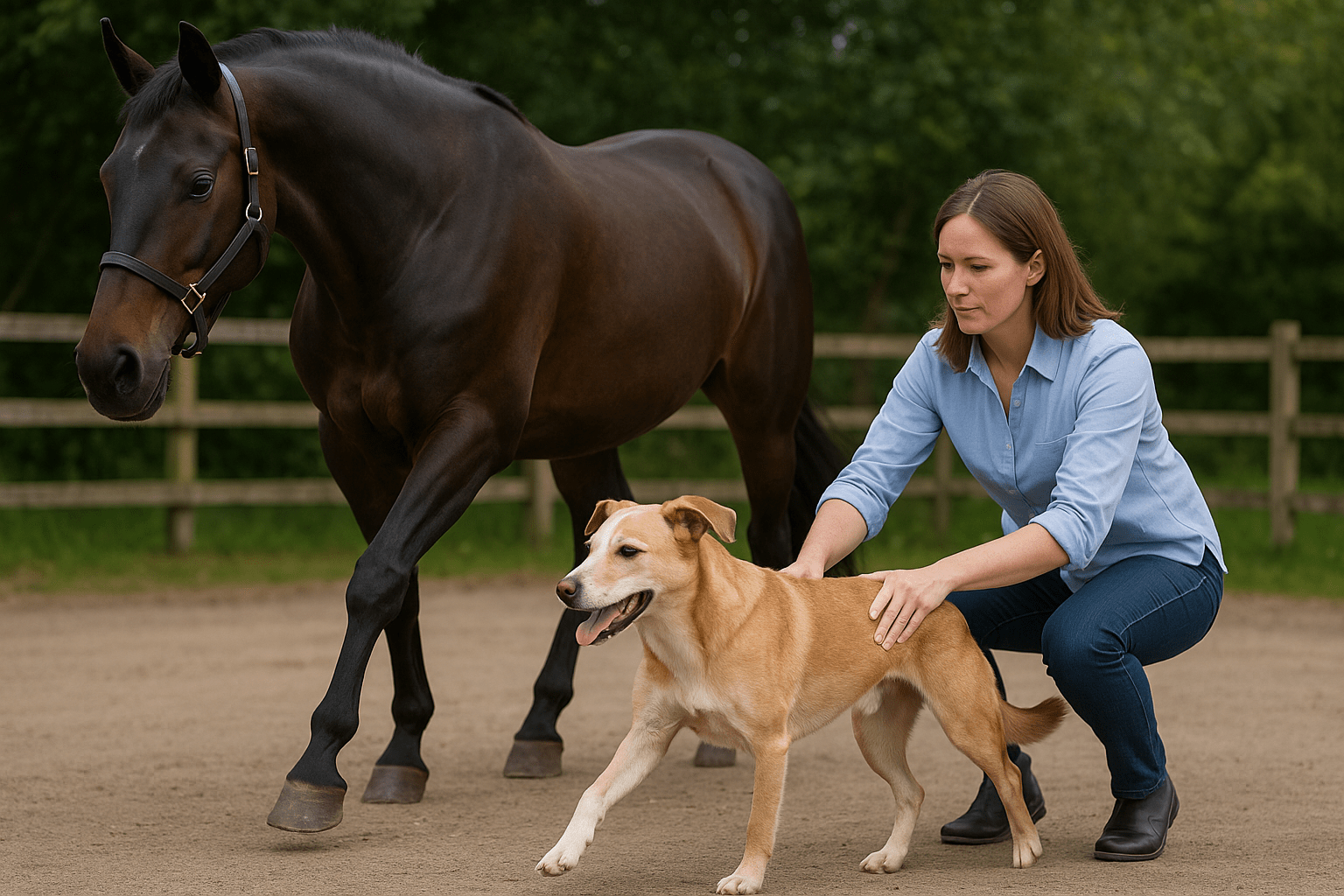
Osteopathy offers a holistic approach to address movement issues in horses and dogs, identifying underlying discomfort signs like uneven movement or reluctance to engage. By restoring balance and mobility, it enhances performance, reduces injury risk, aids recovery, and promotes comfort. Early assessment is crucial for effective intervention and maintaining animal health.
What Is Animal Osteopathy and How It Can Help Your Horse or Dog
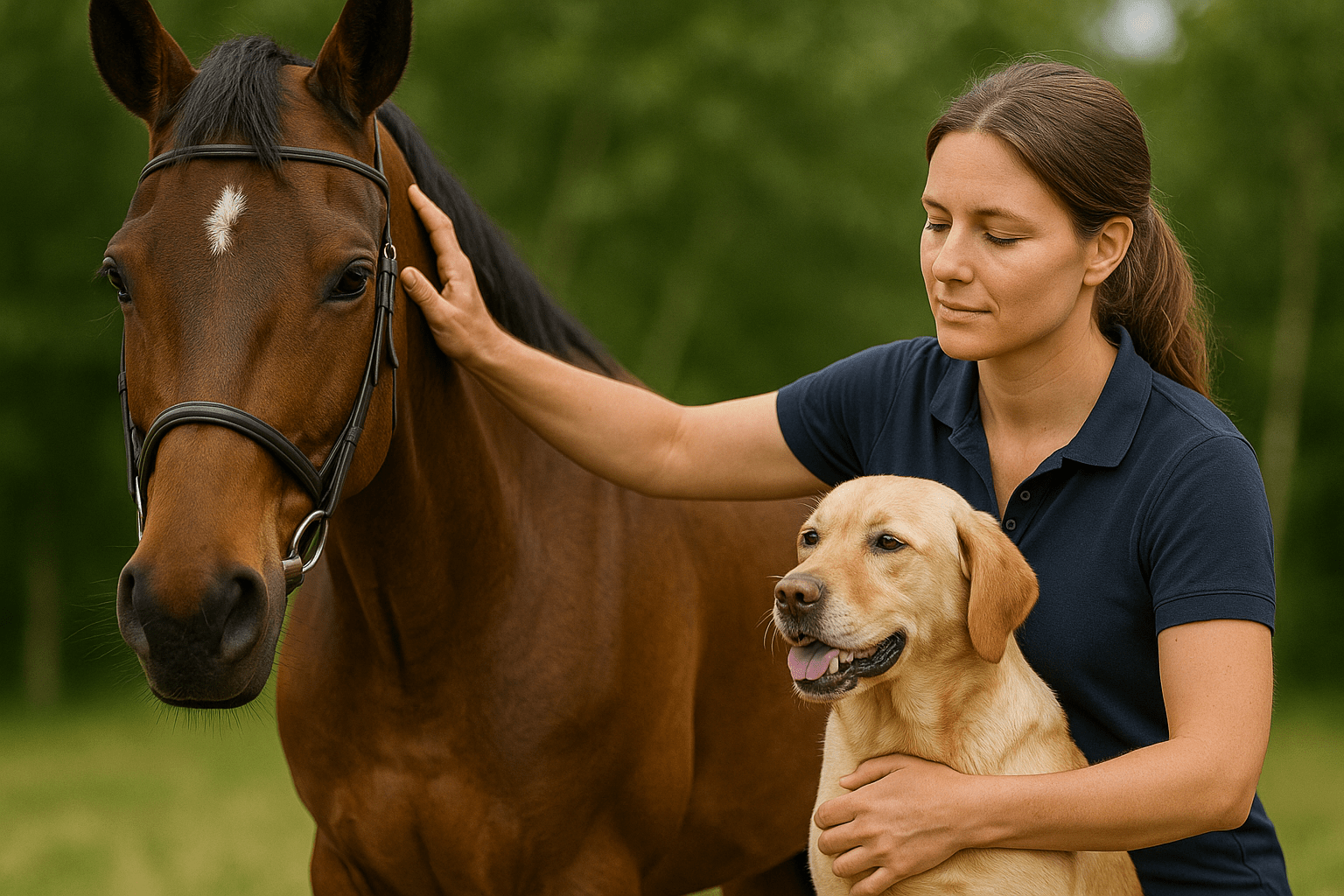
Animal osteopathy is a holistic healthcare method addressing musculoskeletal issues in animals. By using gentle techniques, it identifies and treats imbalances affecting mobility and overall well-being. This approach enhances performance, promotes healing, and improves behavior. Collaboration with veterinarians ensures safe, comprehensive care tailored to each animal’s needs.
Equine Laminitis part 1 (of 3) an introduction:
This post introduces you to the topic of Equine Laminits. Over the next couple of blog posts, we shall look more closely at its, causes, clinical signs, diagnostics and treatment. Did you know that 1 in 10 horses/ponies develop Laminitis each year and that 45% of owners do not recognise their horse’s symptoms as LaminitisContinue reading “Equine Laminitis part 1 (of 3) an introduction:”
Headcollars
I have been working with Olivia Turner B.Sc Hons, Animal Behaviour Consultant & Equine Bitting Specialist since 2015, where has the time gone? Our discussions are always interesting and it’s worth having a read of her guest post on Dr David Marlin’s FB page. As with everything it is how things are used and theContinue reading “Headcollars”
New diagnostics in Osteoarthritis
RVC have been working in collaboration with other universities to discover more accurate techniques for understanding joint behaviour in osteoarthritis. As an Animal Osteopath, I often work with dogs/horses who have this condition. Treatment, home management and rehabilitation can greatly improve quality of life in these cases. They state: “Osteoarthritis is a condition that causesContinue reading “New diagnostics in Osteoarthritis”
The Equine Heart
Did you know that a horse’s heart can range from 30 beats per minute at rest to 240 bmp when galloping!The heart of a thoroughbred at rest pumps 35 litres of blood per minute compared to five by a human heart.Common cardiac problems that hinder equine performance, particularly in athlete horses, include murmurs (abnormal bloodContinue reading “The Equine Heart”
 New Forest Animal Osteopathy