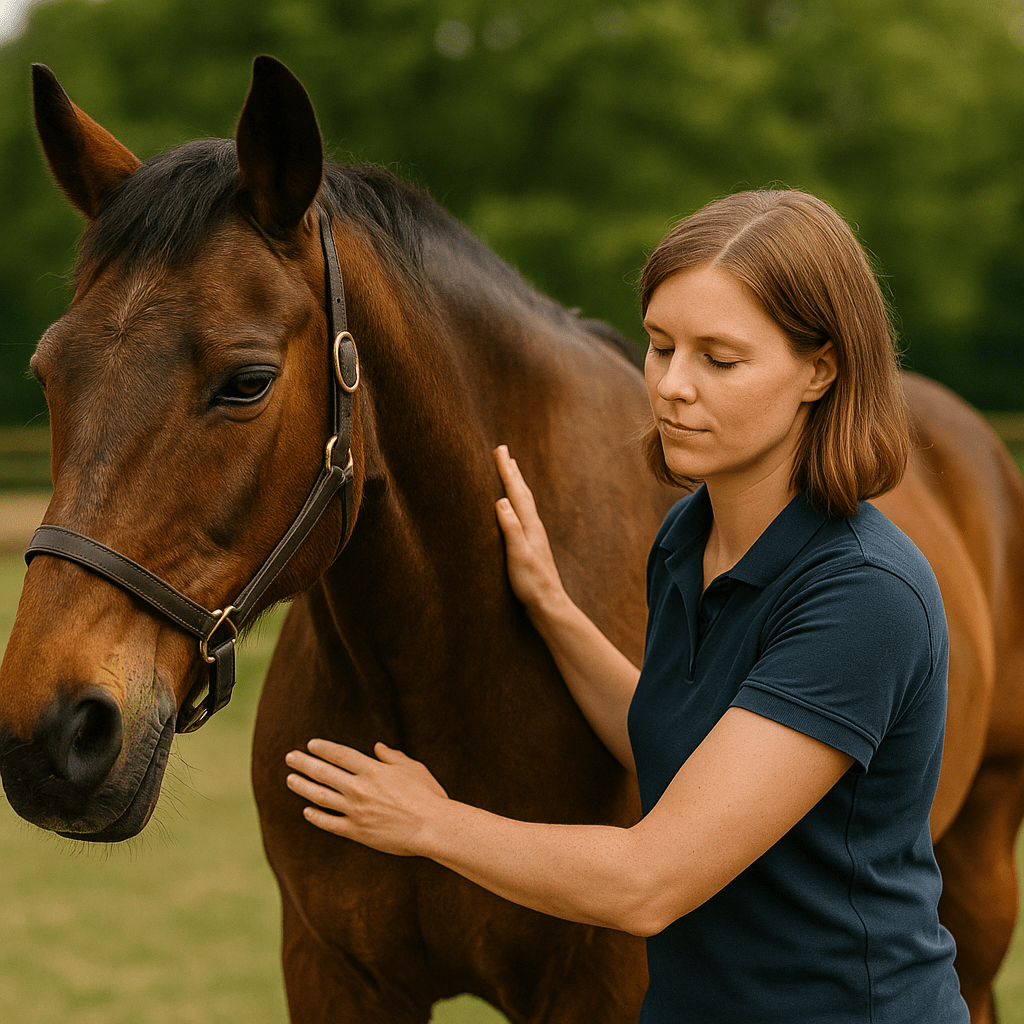
Osteopathy for older horses: maintaining comfort and movement.

Our horses give us so much over the years — long rides, companionship, and countless memories. As they grow older, their needs evolve, and so does the care we give them. Subtle stiffness, a little loss of topline, or reluctance to pick up a lead may seem like normal signs of ageing, but often these are gentle reminders that the body is adapting to long-term wear and tear.

Osteopathy offers a safe, gentle, and effective way to support older horses, helping them stay comfortable, supple, and content throughout their senior years.

The Ageing Equine Body

With age, the equine musculoskeletal system naturally changes. Joint cartilage wears down, muscles lose some elasticity, and tendons and ligaments may become less resilient. Circulation and lymphatic flow can also slow, making recovery from exertion or small knocks take longer.

Add to that a lifetime of training, minor injuries, saddle pressure, or compensation from conformation — and it’s easy to see why many senior horses start to move differently. The goal of osteopathic care isn’t to make them feel young again, but to help their body adapt and function as freely as possible within its current limits.

How Osteopathy Can Help

Equine osteopathy works by gently improving mobility, balance, and circulation throughout the horse’s body. Through careful assessment and hands-on treatment, the osteopath aims to ease areas of restriction, reduce muscular tension, and support the body’s natural ability to maintain harmony.

For senior horses, this might mean:

  • Improving flexibility in stiff joints or tight muscles
  • Enhancing comfort under saddle or during groundwork
  • Supporting balance and coordination, reducing the risk of slips or uneven loading
  • Aiding circulation and lymphatic flow, which helps reduce swelling and stiffness
  • Promoting relaxation and wellbeing, both physically and mentally

Older horses often respond beautifully to gentle osteopathic work — even small improvements in mobility can make a noticeable difference in how they move, graze, and interact.

Common Signs Your Older Horse May Benefit

Owners know their horses best, and the earliest signs of discomfort are often subtle. You might notice:

  • A shorter stride, especially behind
  • Reluctance to bend, canter, or pick up a particular lead
  • Hollowing the back or resistance to being tacked up
  • Uneven wear on shoes or hooves
  • A stiffer neck when ridden, in-hand or grazing
  • Behavioural changes such as irritability or loss of enthusiasm for work

These changes don’t necessarily mean anything serious is wrong, but they do suggest that the horse is compensating somewhere — a pattern osteopathic treatment can often help unravel.

A Gentle, Whole-Body Approach

One of the key principles of osteopathy is that the body functions as an integrated whole. A horse with stiffness in the hocks may overuse the shoulders; a sore poll may lead to tension through the neck and back; even digestive or dental issues can influence posture and movement patterns.

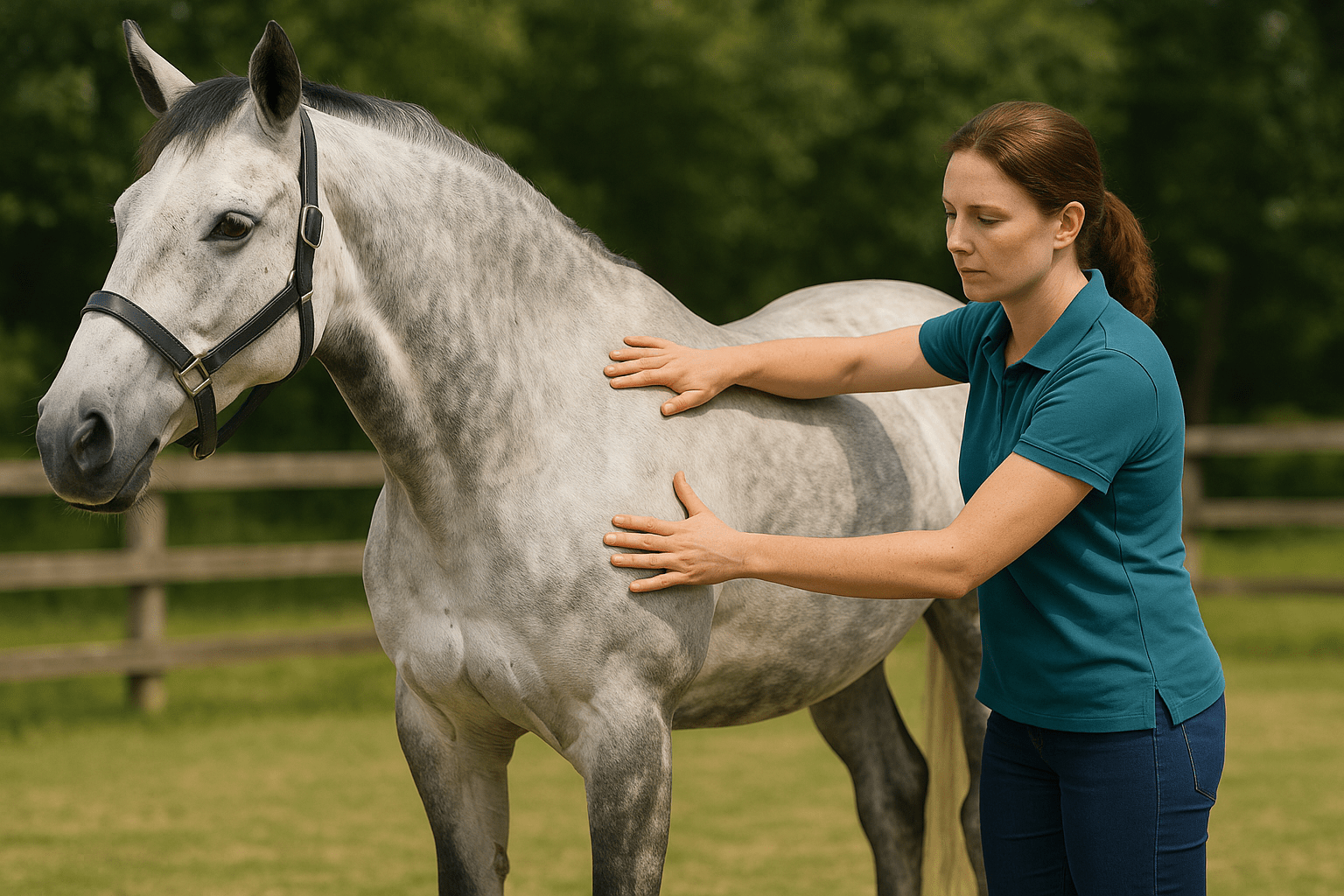
An equine osteopath uses observation, palpation, and gentle manual techniques to assess how each part of the body relates to the whole. Treatment might include soft tissue release, rhythmic joint articulation, or subtle cranial or fascial work — always within the horse’s comfort. The aim is to restore ease and balance rather than force change.

Part of a Team Approach

In the UK, veterinary consent is required before remedial osteopathic treatment, ensuring your horse receives care that complements their medical management. Osteopaths frequently work alongside vets, farriers, saddlers, trainers, behaviourists and physiotherapists to support every aspect of the horse’s wellbeing.

In cases of arthritis or chronic conditions, osteopathy can work hand-in-hand with veterinary medication and appropriate exercise programs — helping maintain comfort, fluidity, and a positive outlook.

Supporting Quality of Life

One of the most rewarding things for owners is seeing their older horse regain the ability to move with freedom and confidence. It might be as simple as walking out with more energy, rolling more easily in the field, or standing more squarely when eating.

With regular osteopathic check-ins, careful management, and gentle exercise, many senior horses continue to enjoy an active, fulfilling life well into their later years. Osteopathy doesn’t fight the ageing process — it supports it, keeping your horse comfortable in their body and content in their mind.
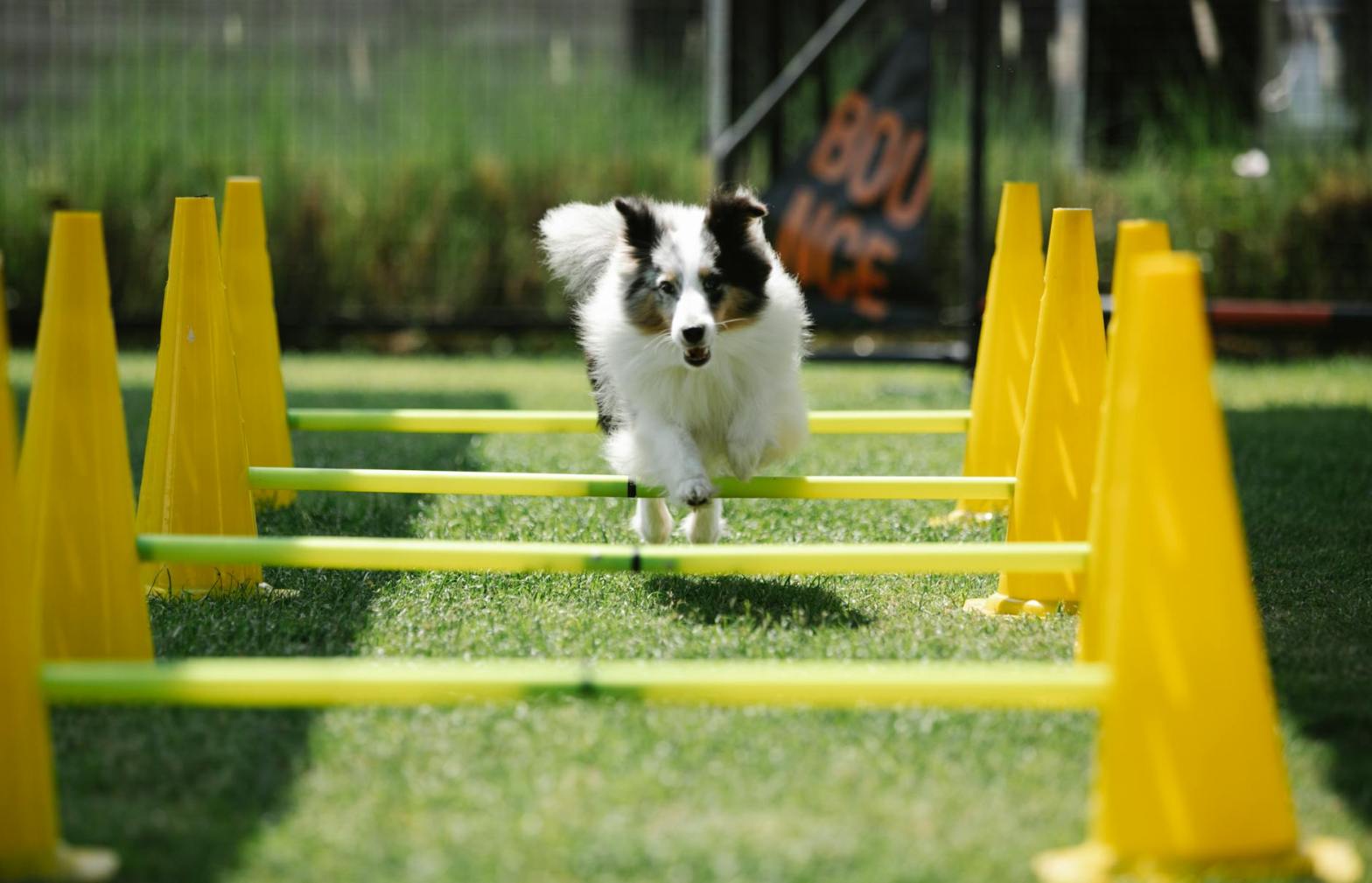
Osteopathy for Canine Athletes and Working Dogs: Supporting Performance and Preventing Injury

Whether it’s the precision of an agility course, the endurance of a gun dog in the field, or the focus of a search-and-rescue dog, athletic and working dogs push their bodies to perform at an exceptional level. These dogs are highly skilled, motivated, and physically capable — but like any athlete, they’re also prone to strain, imbalance, and overuse injuries.

Osteopathy offers a gentle, effective way to keep these dogs moving at their best, helping them recover, maintain performance, and prevent long-term injury.

The Demands of an Active Working Life

Athletic and working dogs place significant demands on their musculoskeletal systems. Each activity challenges the body in unique ways:

  • Agility dogs need flexibility, explosive power, and quick directional changes.
  • Gun dogs require stamina, strength, and repetitive retrieving movements.
  • Police and military dogs face heavy workloads, jumping, climbing, and unpredictable physical stress.
  • Herding dogs rely on agility, coordination, and balance over uneven terrain.
  • Canine athletes in flyball, exert high-intensity bursts of energy on joints and soft tissues.

Over time, these repetitive forces can create asymmetries, micro-strains, and compensations that affect movement efficiency and increase the risk of injury.

The Role of Osteopathy in Canine Performance

Osteopathy focuses on the interrelationship between structure and function — meaning that when the body moves freely and in balance, it performs at its best. Through detailed observation and palpation, an osteopath can identify areas of restriction or imbalance before they become problems.

Osteopathic treatment supports the canine athlete by:

  • Improving flexibility and range of motion in joints and muscles
  • Enhancing coordination and balance, helping dogs move efficiently and reduce fatigue
  • Relieving tension and muscular tightness caused by repetitive training
  • Supporting recovery between training sessions or competitions
  • Promoting circulation and lymphatic drainage, aiding tissue repair and reducing inflammation

When the body functions as a balanced whole, the dog can perform movements with less effort, more precision, and greater longevity.

Early Signs of Strain or Imbalance

Athletic dogs are often so driven that they mask discomfort until it becomes significant. Owners and handlers should watch for subtle signs that may indicate musculoskeletal tension or restriction, such as:

  • A shortened stride or reduced flexibility during turns or jumps
  • Reluctance to stretch, jump, or climb
  • Slower times or reduced endurance
  • Changes in behaviour — reluctance to train, irritability, or distraction
  • Uneven muscle development or loss of topline
  • Stiffness after rest or slower recovery after work

Early intervention with osteopathy can prevent these small issues from developing into performance-limiting injuries.

Osteopathy as Part of a Conditioning Program

For canine athletes, osteopathy is not only about treating problems — it’s about maintaining the body in optimal condition throughout the training cycle.

Regular osteopathic check-ups can help ensure:

  • Balanced muscle use between left and right sides
  • Correct joint mobility and alignment
  • Early detection of compensatory patterns
  • Faster recovery after competition or intense training
  • Reduced risk of repetitive strain injuries

For working dogs, maintaining this balance also improves endurance, focus, and reliability — helping them perform safely and comfortably even under demanding conditions.

A Team Approach to Performance Care

Osteopathy integrates naturally within a multidisciplinary care team. Collaboration between the vet, osteopath, physiotherapist, and handler ensures that every aspect of the dog’s physical and mental wellbeing is supported.

Osteopathy complements strength and conditioning work, hydrotherapy, and massage, helping refine movement quality and reduce the load on vulnerable joints or tissues.

By promoting overall balance and resilience, osteopathy helps these dogs stay strong, supple, and adaptable — essential traits for any canine athlete.

Helping Dogs Perform at Their Best

The best athletes don’t just train hard. They recover well, move efficiently, and maintain balance throughout their body. The same is true for our dogs.

Osteopathy provides a gentle, hands-on way to support their physical integrity, helping them move freely, stay comfortable, and perform confidently in their work or sport. Whether your dog competes at top level or simply enjoys an active lifestyle, regular osteopathic care can make all the difference — keeping them strong, agile, and happy in every stride.

Importance of Posture and Core Strength in Horses

When we think about fitness for horses, we often focus on cardiovascular health, muscle tone, or athletic ability. But one of the most fundamental — and often overlooked — aspects of equine health is posture and core strength.

Just like in people, a horse’s posture and core stability underpin almost every movement it makes. Without a strong, balanced core, even the fittest horse will struggle to move efficiently, maintain soundness, or perform at its best. Osteopathy can play an important role in assessing, improving, and maintaining these qualities, helping horses move with ease and resilience.

Why Posture Matters

Posture is more than how a horse “stands.” It’s the dynamic relationship between bones, muscles, and connective tissues that determines how weight is distributed throughout the body — both at rest and in motion.

A horse with good posture stands evenly on all four limbs, carries itself in balance, and uses its core muscles to stabilise the spine and pelvis. Poor posture, on the other hand, can lead to uneven loading, muscular tension, and strain on joints, ligaments, and tendons.

Common signs of postural imbalance include:

  • Standing with one hind leg always parked out behind
  • A dipped or hollow back
  • Tension through the topline or neck
  • Difficulty engaging the hindquarters
  • Uneven muscle development (e.g. one shoulder or glute larger than the other)
  • Reluctance to work “round” or on the bit

Over time, these patterns can increase the risk of injury and limit performance — but the good news is that posture can be improved with the right approach.

The Role of the Core

A horse’s “core” isn’t just its abdomen — it includes the deep stabilising muscles along the spine, the pelvic floor, and the muscles supporting the thorax and abdomen. These work together to keep the back strong and flexible while allowing for efficient movement and balance.

A weak core means the larger movement muscles (like those in the back and hindquarters) have to take over stabilising duties, leading to tension and fatigue. This can manifest as stiffness, hollowing, or reluctance to work in self-carriage.

Core weakness can develop through lack of correct exercise, injury, saddle fit issues, or compensatory patterns. Building and maintaining a strong core supports everything from posture to performance and longevity.

How Osteopathy Can Help

Osteopathy helps optimise posture and core function by restoring freedom of movement, improving joint mobility, and releasing muscular restrictions that prevent proper engagement.

An osteopathic assessment looks at the horse as a whole — not just the area that seems tight or uneven. By gently mobilising the spine, pelvis, and ribcage, osteopathy helps the horse regain natural alignment and balance, allowing the core to activate effectively.

Some of the ways osteopathic treatment supports posture and core stability include:

  • Improving flexibility through the thoracolumbar and sacral regions
  • Balancing tension in the deep and superficial muscles
  • Enhancing coordination between the back and hindquarters
  • Encouraging correct posture during movement and rest
  • Supporting the nervous system to improve proprioception and control

Horses often show immediate postural improvement after treatment, standing more squarely and moving with increased freedom through the back.

Building and Maintaining Core Strength

While osteopathy helps restore balance and mobility, long-term improvement also depends on appropriate exercise and management. Core strength develops through controlled, thoughtful movement — not speed or intensity.

Some effective ways to build your horse’s core include but are not limited to:

  • Pole work and raised walk poles — encourages flexion and coordination
  • Hill work — naturally strengthens the hindquarters and abdominal muscles
  • Long and low work — promotes correct stretching of the topline
  • In-hand exercises and baited stretches — engage deep stabilising muscles
  • Transitions and lateral work — improve suppleness and balance

Suitability of the above exercises will depend on your horse’s health and any underlying conditions. Regular check-ins with your osteopath can ensure your horse remains in balance as training progresses, preventing small imbalances from becoming compensatory issues.

A Holistic Approach to Postural Health

Posture isn’t just a physical attribute — it’s a reflection of how the whole body functions and feels. Discomfort, tension, poor saddle fit, dental issues, or even stress can all affect how a horse carries itself. That’s why osteopathic care focuses on the whole horse, addressing both structural and functional imbalances to support overall wellbeing and works alongside other professionals to optimise the health and function of the horse..

When the spine, joints, and soft tissues are free to move as intended, the horse can build strength evenly, use its core effectively, and perform with greater confidence and ease.

Supporting Strength, Balance, and Longevity

Good posture and core stability are essential not only for performance horses but for every equine companion. They form the foundation for healthy movement, injury prevention, and long-term soundness.

Osteopathy offers a gentle yet powerful way to support this foundation — improving comfort, mobility, and balance so your horse can move with the natural strength and grace that nature intended.

The Role of Osteopathy in Injury Prevention in Animals

Prevention is always better than cure and when it comes to our horses and dogs, that’s especially true. Subtle imbalances in movement or posture often go unnoticed until they develop into soreness, strain, or even injury. Osteopathy offers a proactive way to identify and correct these issues early, helping animals stay sound, comfortable, and ready for whatever they love doing most.

Understanding the Principle of Prevention

Just like people, animals develop habitual patterns of movement over time. These can be influenced by conformation, training, tack or harness fit, lifestyle, and even emotional stress. When one part of the body stops moving freely, other areas compensate — and that’s where problems begin.

For instance, a horse that favours one rein might overload one shoulder or hip, while a dog recovering from a mild sprain might shift weight to the opposite side, tightening the spine or neck. These subtle changes often precede visible lameness or discomfort, but they can be felt through skilled palpation and observation by an osteopath.

By restoring balance and mobility early, osteopathic treatment can prevent small restrictions from turning into chronic or performance-limiting injuries.

How Osteopathy Helps Maintain Soundness

Osteopathy works by supporting the body’s natural ability to adapt and repair. Through careful assessment and gentle manual techniques, the osteopath helps keep the body functioning efficiently, ensuring that:

  • Muscles and joints move freely, reducing the risk of strain or tearing
  • Circulation and lymphatic flow are optimised, promoting healthy tissues
  • The nervous system functions smoothly, allowing clear communication between brain and body
  • Compensations are corrected early, before they lead to pain or injury

For horses, this might mean maintaining even movement under saddle, improving straightness, and supporting joint health during training. For dogs, it can help prevent repetitive strain from agility, flyball, or everyday play.

Recognising the Early Signs of Imbalance

Owners often sense when something feels “off,” even before overt signs appear. Some early indicators that your horse or dog might benefit from preventive osteopathic care include:

  • Stiffness after rest or reduced flexibility
  • Reluctance to perform certain movements or exercises
  • Shortened stride, uneven loading, or changes in gait rhythm
  • A drop in performance, willingness, or focus
  • Behavioural changes such as irritability or restlessness

Addressing these subtle clues before they progress can keep the animal moving well and feeling at ease.

Integrating Osteopathy Into Routine Care

Preventive osteopathic care works best as part of a holistic management plan. Regular check-ups, even just a few times a year, can help maintain balance and detect issues before they escalate.

For performance horses or working dogs, sessions may be timed alongside training cycles or following competitions to aid recovery and prevent overload. For companion animals, osteopathic visits can support general wellbeing, helping to offset the natural effects of ageing or inactivity.

Working closely with your vet, farrier, saddler, or trainer ensures that every aspect of the animal’s care supports its long-term health and comfort.

Benefits Beyond Injury Prevention

While the primary goal may be to prevent injury, many owners notice additional benefits from regular osteopathic treatment, such as:

  • Improved suppleness and ease of movement
  • Enhanced performance and stamina
  • Quicker recovery after exercise
  • A calmer, more relaxed demeanour

Osteopathy supports the body as a whole — physically and neurologically — creating conditions where optimal movement and resilience come naturally.

A Proactive Approach to Health and Longevity

Injury prevention isn’t just about avoiding setbacks, it’s about enabling your animal to move with freedom, confidence, and joy. Whether your horse is in regular work or your dog enjoys active play, osteopathy provides a gentle, effective way to support their physical wellbeing and performance long-term.

By investing in regular osteopathic care, you’re not just treating issues as they arise, you’re helping to ensure a lifetime of comfortable, balanced movement.

Post-Surgery Rehabilitation in Dogs: How Osteopathy Can Aid Recovery

Surgery can be life-changing for a dog — whether it’s repairing a torn cruciate ligament, removing a tumour, or addressing an orthopaedic issue such as hip dysplasia. Once the operation is complete, however, recovery doesn’t end in the theatre. What happens in the days, weeks, and months afterward is just as important for ensuring the best possible outcome.

Osteopathy can play a valuable role in this phase, helping dogs regain mobility, comfort, and confidence safely and effectively.

Understanding Post-Surgical Recovery

After surgery, a dog’s body has to work hard to heal. While rest and careful management are vital, they can also lead to stiffness, muscle weakness, or compensatory strain — especially if one limb or area has been immobilised.

For example, a dog recovering from cruciate surgery will naturally offload the operated leg, leading to tension and overuse in the opposite hind limb, shoulders, and back. Similarly, spinal or abdominal surgery can cause tightness through the surrounding soft tissues, affecting movement and posture long after the incision has healed.

Post-surgical rehabilitation aims to help the body restore balance, rebuild strength, and prevent long-term compensation. Osteopathy supports this process by addressing the physical changes that occur during healing.

How Osteopathy Can Help the Healing Process

Osteopathic treatment for post-surgical patients is gentle, careful, and always guided by veterinary consent. The osteopath works with the body’s natural self-healing mechanisms, helping to:

  • Improve circulation and lymphatic drainage to promote tissue healing and reduce swelling
  • Relieve muscular tension caused by guarding or altered movement patterns
  • Enhance mobility in joints that may have become stiff through inactivity
  • Support the nervous system, helping to reduce pain and restore coordination
  • Encourage balanced weight-bearing, minimising compensatory strain on other limbs

Treatment doesn’t interfere with surgical sites — instead, it focuses on the structures surrounding the area and the body as a whole, encouraging smoother, more comfortable movement as healing progresses.

When Is It Safe to Start Osteopathic Treatment?

Every case is different, and timing depends on the nature of the surgery and the dog’s individual recovery rate. Osteopathic care always begins in collaboration with your vet, ensuring that the surgical site has healed enough for manual therapy to be appropriate.

In some cases, early treatment may focus purely on indirect techniques — supporting circulation, easing general tension, and promoting relaxation. As recovery advances, more active mobility work can be incorporated, helping the dog rebuild strength and flexibility.

The goal is always to complement veterinary aftercare and physiotherapy, not replace them.

A Holistic Approach to Recovery

Osteopathy views the body as a single, interconnected system. When one part is affected — such as after surgery — the entire body adjusts to compensate. Over time, this can create secondary restrictions in muscles, fascia, and joints far from the original site.

For example:

  • After cruciate surgery, the pelvis and spine often tighten due to altered gait.
  • After spinal surgery, the shoulders and ribcage may become restricted from reduced movement.
  • Following abdominal surgery, fascial tension can affect posture and breathing patterns.

By treating these wider compensations, osteopathy helps restore a sense of overall balance, supporting not only physical healing but also the dog’s comfort and emotional wellbeing.

The Emotional Side of Recovery

Many owners notice that their dogs feel anxious or unsettled after surgery. This is a perfectly normal response to pain, restricted movement, and change in routine. Osteopathic treatment provides calm, gentle contact that can help reduce tension and promote relaxation.

Dogs often leave a session visibly more at ease, moving more freely and showing less guarding behaviour. This emotional relaxation is an important part of the recovery process and helps support physical healing too.

Working as Part of a Team

Osteopathy fits naturally within a multidisciplinary recovery plan. The best outcomes often come from collaboration between vets, physiotherapists, hydrotherapists, and osteopaths — each contributing their expertise to ensure your dog’s body heals safely and effectively.

Home management also plays a big role. Your osteopath can provide advice on gentle mobility exercises, pacing activity, and maintaining comfort between sessions to help empower you as owners to take an active role in your dog’s recovery journey.

Helping Dogs Recover Comfortably and Confidently

Post-surgery recovery can be a slow process, but with the right support, most dogs regain their mobility and joy for life. Osteopathy helps this transition by encouraging smooth, balanced movement, reducing discomfort, and helping the body re-establish its natural equilibrium.

By working with, rather than against, the healing process, osteopathy offers dogs a gentle path toward recovery, resilience, and renewed confidence in their movement.

Wobblers in Horses: Understanding Cervical Vertebral Stenotic Myelopathy (CVSM) and How Osteopathy Can Support Recovery

Horses rely on fine-tuned coordination, balance, and strength to perform even simple movements with grace. When these qualities begin to falter — a horse tripping more than usual, losing balance, or seeming “disconnected” in their movement — it can be worrying for any owner.

One possible cause of these symptoms is a condition known as Wobbler Syndromeor Cervical Vertebral Stenotic Myelopathy (CVSM). While the diagnosis can sound daunting, understanding what’s happening and how osteopathic care can support affected horses can help owners take a calm, informed approach to managing the condition.

What Is Wobbler Syndrome?

Wobbler Syndrome is a neurological condition that affects the horse’s neck and spinal cord. It occurs when compression of the spinal cord in the cervical (neck) region interferes with the transmission of nerve signals between the brain and body.

This compression can result from several underlying issues, including:

  • Developmental changes in young, fast-growing horses (often in large breeds such as Thoroughbreds and Warmbloods)
  • Degenerative joint disease or arthritis in the neck of older horses
  • Malalignment or instability between cervical vertebrae
  • Trauma or congenital narrowing of the spinal canal

The result is disrupted nerve communication to the limbs — most noticeably, a loss of coordination and strength in the hindquarters.


Common Signs and Symptoms

Because Wobblers affects the nervous system, the symptoms often relate to movement and proprioception (the horse’s awareness of limb position). Owners might notice:

  • Unsteady, “wobbly” movement, particularly in the hind end
  • Crossing or interference of the hind limbs
  • Difficulty backing up or negotiating uneven ground
  • Stumbling, tripping, or dragging toes
  • A loss of balance when turning or stopping
  • Hind limbs standing further apart to maintain stability
  • Reduced performance or reluctance to engage from behind

In mild cases, the signs may be subtle — often mistaken for laziness, poor schooling, or weakness. In more advanced cases, the uncoordinated gait can become obvious and may pose a risk of falls or injury.

Diagnosis and Veterinary Care

If Wobblers is suspected, veterinary assessment is essential. Diagnosis typically involves a neurological examination, radiographs, and sometimes advanced imaging to identify where and how the spinal cord is being compressed.

Treatment recommendations will depend on the cause and severity. In some young horses, dietary and management changes can help stabilise the condition; in older horses, medical or surgical interventions may be advised. Once your vet has made a diagnosis and provided consent, osteopathic treatment can play a supportive role in maintaining comfort and mobility.

How Osteopathy Can Help

While osteopathy cannot reverse spinal cord compression, it can make a significant difference in managing secondary effects — particularly muscular tension, compensation, and postural imbalances that develop as the horse tries to adapt.

When one part of the neck becomes restricted or painful, other regions — including the shoulders, back, and pelvis — often compensate. Over time, this can lead to soreness, uneven movement, and fatigue. Osteopathic treatment works to address these secondary issues through:

  • Gentle soft tissue release to reduce muscular tension and improve circulation
  • Restoration of normal joint mobility where safe to do so
  • Support for posture and balance, especially through the thoracic and pelvic regions
  • Encouragement of better weight distribution, reducing overuse of certain limbs

This whole-body approach helps the horse move more comfortably, improves proprioceptive feedback, and supports the nervous system’s ability to function as effectively as possible within its limits.

The Holistic Perspective

In osteopathy, the spine is viewed as the central pillar of communication between the brain and the rest of the body. When this communication is disrupted, as occurs in Wobblers, it affects not only coordination but also how the rest of the body organises itself.

By working with the horse’s natural biomechanics and self-regulating mechanisms, osteopathy aims to enhance quality of movement and comfort, even in chronic or degenerative cases. Treatment is always guided by veterinary input and tailored to each horse’s needs and tolerance.

Supporting the Wobbler Horse Day to Day

Alongside osteopathic care, owners can help their horses by:

  • Keeping exercise controlled and consistent, avoiding sudden turns or slippery ground
  • Providing a calm, predictable environment to minimise stress and spooking
  • Amending environemnt to prevent additional neck or back strain
  • Encouraging gentle stretching and in-hand work to promote balance
  • Maintaining good nutrition, particularly in young horses with developmental causes

Even with a neurological diagnosis, many horses live comfortably for years with thoughtful management and appropriate support.

Promoting Comfort, Balance, and Confidence

Wobblers Syndrome can be challenging, but it doesn’t always mean the end of a horse’s active life. With careful veterinary oversight, regular osteopathic support, and sensitive management, affected horses can regain confidence, move with greater ease, and enjoy a better quality of life.

Osteopathy helps these horses by working not against their condition, but with their bodies to support natural function, balance, and to help make them more comfortable.

Lumbosacral Disease in Dogs: Understanding and Supporting Spinal Health

Back pain isn’t just a human problem — our dogs can suffer from it too. One of the more common sources of spinal discomfort in dogs, particularly as they get older or more active, is lumbosacral disease.

This condition can range from mild stiffness to significant nerve compression, and while it can sound worrying, early recognition and appropriate care, including osteopathic support, can make a big difference to a dog’s comfort and quality of life.

What Is Lumbosacral Disease?

The lumbosacral junction is where the last lumbar vertebra (L7) meets the sacrum, at the base of the spine just above the tail. It’s a key point of movement and load transfer between the spine and hindquarters, responsible for much of the power generated when a dog runs, jumps, or climbs.

Over time, or through injury or repetitive strain, the structures in this region; including joints, discs, ligaments, and surrounding soft tissues; can become inflamed or compressed and can cause the nerves passing through the area (especially the sciatic nerve) to be affected. This issue is known as lumbosacral disease or lumbosacral stenosis.

Which Dogs Are Most at Risk?

Lumbosacral disease is more common in:

  • Active working or sporting breeds, such as German Shepherds, Labradors, Border Collies, and Spaniels
  • Older dogs, where natural wear and tear has occurred
  • Dogs with long backs or weaker cores, such as Dachshungs and some crossbreeds
  • Animals that have had previous pelvic or spinal injuries

However, any dog can develop the condition, especially if their activities place repeated strain on the lower back and hind limbs.

Common Signs and Symptoms

Because the lumbosacral area connects the spine to the hind limbs, the signs of dysfunction can appear in several ways. Owners might notice:

  • Difficulty jumping into the car or onto furniture
  • Reluctance to climb stairs or go for longer walks
  • Weakness or trembling in the back legs
  • Stiffness after rest that improves with gentle movement
  • A tucked tail or reluctance to wag
  • Changes in gait — shorter hind stride or dragging toes
  • Yelping when rising or being touched over the lower back

Some dogs also show subtle behavioural changes, such as becoming quieter, withdrawn, or less keen to play.

If your dog shows these signs, it’s important to consult your veterinarian first to rule out or confirm the diagnosis and ensure that osteopathic care can safely support recovery.

How Osteopathy Can Help

Osteopathic treatment doesn’t aim to replace veterinary care, but it can complement it by improving comfort, flexibility, and function around the affected region.

When the lumbosacral area is irritated, the surrounding muscles often tighten to protect it, which can restrict movement and increase strain on nearby joints — like the hips and thoracic spine. Over time, this creates compensatory tension throughout the body.

An osteopath can help by using gentle techniques to:

  • Ease muscular and fascial tension around the lower back, pelvis, and hind limbs
  • Encourage mobility in the spine and hips, helping reduce compensatory strain
  • Support circulation and lymphatic flow, aiding tissue repair
  • Promote relaxation, reducing pain and improving overall comfort

Treatment is always tailored to the individual dog’s condition, age, and tolerance level, and is carried out with veterinary consent.

A Whole-Body Approach

One of the strengths of osteopathy lies in viewing the dog’s body as a connected system. A restriction in the lumbosacral area doesn’t just affect the back — it changes how the entire body moves. Dogs may shift more weight to the front limbs, overuse their shoulders, or tighten through the neck and thoracic spine.

By addressing these secondary compensations, osteopathy helps the dog move more evenly and comfortably, supporting long-term balance and reducing the risk of further strain.

Working with Your Vet and Managing at Home

Most dogs with lumbosacral disease benefit from a multidisciplinary approach — involving your vet, osteopath, and possibly physiotherapist or hydrotherapist.

At home, you can help by:

  • Keeping your dog’s weight in a healthy range
  • Providing non-slip flooring and ramps to reduce slips and jumping
  • Encouraging gentle, regular movement rather than long bursts of exercise
  • Maintaining core and hindlimb strength through guided exercises
  • Keeping the back warm and dry, especially in colder months

Together, these measures help maintain comfort and function while slowing disease progression.

Improving Comfort and Quality of Life

Lumbosacral disease can sound daunting, but with early management and appropriate care, many dogs continue to enjoy active, happy lives. Osteopathy plays a valuable role in this process — not by forcing change, but by supporting the body’s natural ability to adapt, rebalance, and move freely again.

If your dog is showing signs of back discomfort or hind-end weakness, an osteopathic assessment (with your vet’s consent) can help uncover what’s going on and create a plan to keep your companion comfortable, mobile, and enjoying life to the fullest.

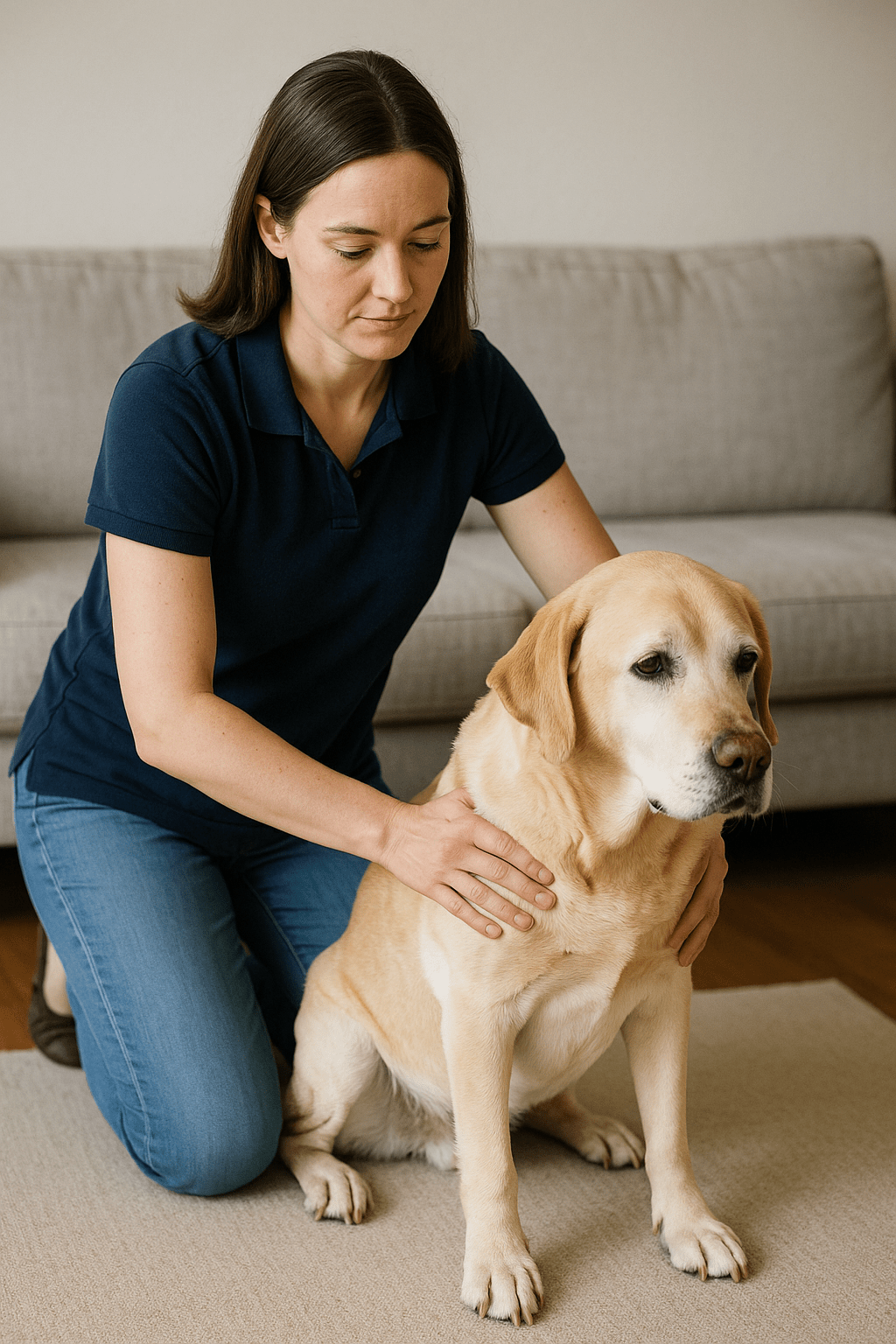
Osteopathy for Senior Dogs: Supporting Comfort and Mobility with Age

As our dogs grow older, their needs change — not just in diet and exercise, but in how their bodies move and recover from daily life. You might notice that your once-springy companion now takes a little longer to get up in the morning, tires more easily on walks, or prefers shorter play sessions.

Ageing is a natural process, but it doesn’t have to mean discomfort or loss of quality of life. Osteopathy offers a gentle, supportive way to help senior dogs stay mobile, comfortable, and content in their later years.

Understanding the Ageing Body

As dogs age, their musculoskeletal system undergoes gradual changes. Joints can become stiffer as cartilage wears down, muscles lose some elasticity and strength, and circulation may not be as efficient as it once was. Old injuries, arthritis, or compensatory habits formed over years can all contribute to reduced flexibility and mobility.

These changes can affect not just physical movement, but also how a dog feels emotionally and behaviourally. A dog that’s in discomfort might become quieter, grumpier, or less sociable — small shifts that owners often put down to “just getting old.” In reality, these signs can often be eased with the right kind of care and support.

How Osteopathy Can Help

Osteopathy for senior dogs focuses on maintaining mobility, reducing discomfort, and improving overall wellbeing. Because treatments are gentle and non-invasive, they’re well-suited to older animals who may not tolerate more vigorous therapies.

Using techniques such as soft tissue release, articulation, and gentle fascial or cranial work, the osteopath helps to:

  • Improve joint mobility and flexibility
  • Enhance blood flow and lymphatic drainage
  • Reduce muscular tension and compensatory strain
  • Support balance and coordination
  • Promote relaxation and better sleep

By encouraging freer movement and better circulation, osteopathic treatment helps the body’s natural self-regulatory systems work more effectively. This often leads to noticeable improvements in how the dog moves, rests, and interacts.

Recognising When Your Older Dog May Benefit

Many owners seek osteopathic care for their senior dogs after noticing subtle changes, such as:

  • Stiffness when getting up from rest
  • Reluctance to go on longer walks or climb stairs
  • Difficulty jumping into the car or onto furniture
  • Favouring one side when lying down
  • Behavioural shifts like irritability or withdrawal

These signs often reflect the body’s attempt to compensate for discomfort or restricted movement. Osteopathic assessment can identify where those restrictions lie and help ease the strain before it leads to further imbalance or pain.

A Holistic, Supportive Approach

One of the strengths of osteopathy is its holistic view of the body. Instead of focusing only on an arthritic joint or tight muscle, your osteopath considers how the whole system is functioning — from the spine and pelvis to the limbs and even the soft tissues supporting internal organs.

For example, a dog with stiffness in the hindquarters may begin to overload the front limbs, leading to tight shoulders or neck strain. By addressing these interrelated patterns, osteopathy helps restore smoother, more balanced movement throughout the body.

Working as Part of a Care Team

Osteopathic treatment for older dogs always works best as part of a collaborative care plan. Your osteopath will seek veterinary consent in the cases of remedial care before treatment and will communicate closely with your vet if there are concerns about arthritis, neurological changes, or other age-related conditions.

In many cases, osteopathy complements medication, physiotherapy, and lifestyle adjustments — providing a hands-on, comfort-focused element that supports both physical and emotional wellbeing.

Supporting Quality of Life

Owners often describe their dogs seeming “younger” after osteopathic treatment — moving more freely, engaging more on walks, or showing renewed interest in play. While osteopathy can’t stop the ageing process, it can help to make that process far more comfortable, keeping your dog active and happy for longer.

Regular check-ins, even just a few times a year, can make a significant difference to how your dog feels and moves. Combined with appropriate exercise, good nutrition, and a warm, supportive home environment, osteopathy helps older dogs continue to enjoy life with ease and vitality.

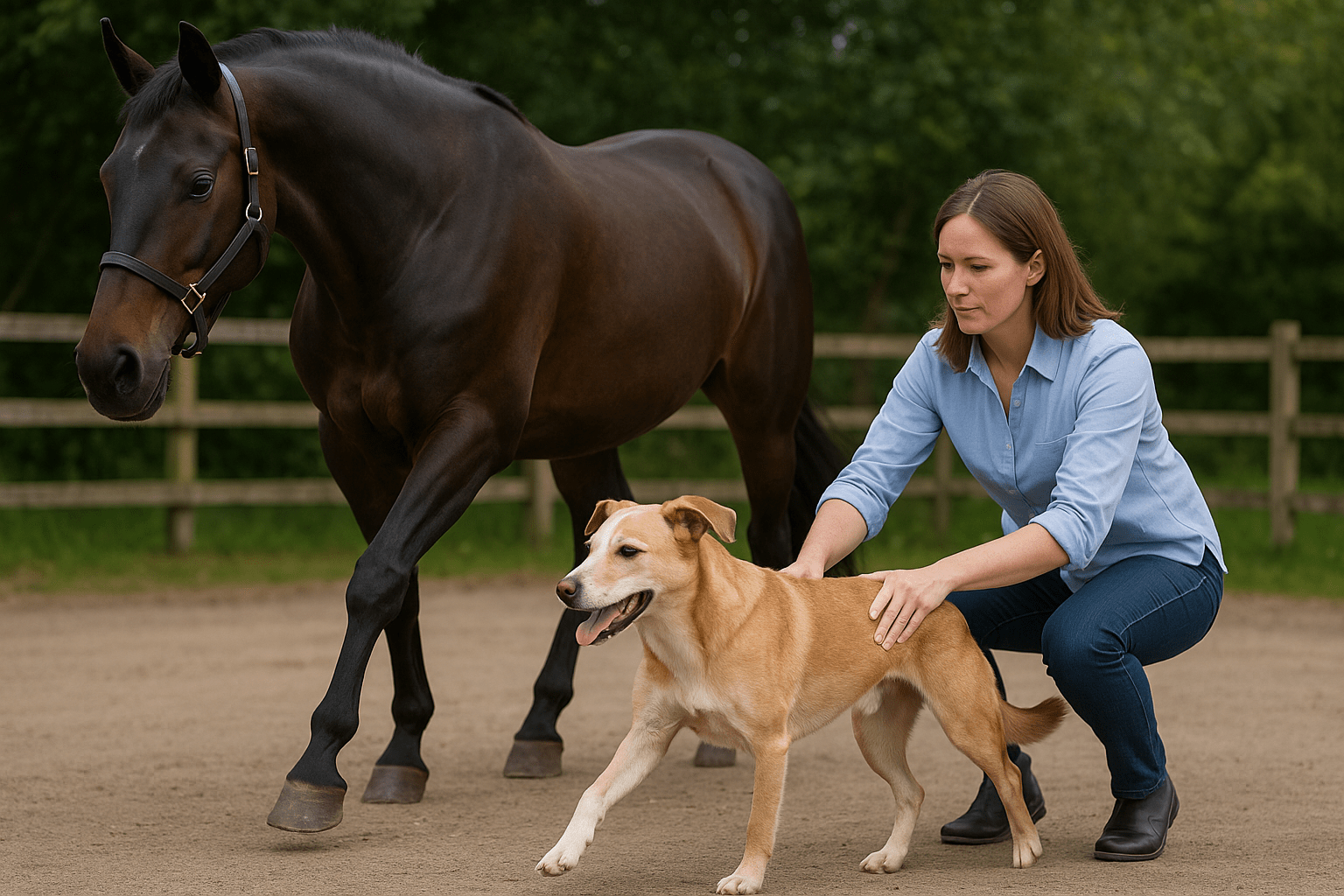
How Osteopathy Can Help Common Gait and Movement Issues

Every animal moves in its own unique way, but when something doesn’t look quite right — a shortened stride, uneven movement, or loss of power — it’s often a sign that the body is compensating for an underlying restriction or discomfort. These subtle changes can creep in gradually, making them easy to overlook until performance, comfort, or behaviour start to change.

Osteopathy offers a gentle, holistic approach to understanding and improving how your horse or dog moves, helping restore natural rhythm and balance.

Recognising Gait and Movement Problems

Movement issues can present differently depending on the animal and their activities.

In horses, owners and riders might notice:

  • Reluctance to bend or work evenly on both reins
  • Uneven stride length or “shortness” on one side
  • Difficulty maintaining canter leads
  • Changes in head carriage or tail swishing
  • Resistance when being tacked up or mounted

In dogs, movement problems often show up as:

  • Stiffness when getting up after rest
  • A tendency to “bunny hop” or carry weight unevenly
  • Reluctance to jump, climb stairs, or get into the car
  • Shortened stride or limping after exercise
  • Subtle behavioural changes such as irritability or withdrawal

While these signs don’t always point to a serious problem, they do indicate that the animal’s body is working harder to compensate somewhere — and that’s where osteopathy can help.

How Osteopathy Approaches Gait Issues

Osteopathy looks beyond the visible symptoms to find the root cause of dysfunction. Your osteopath will start by taking a detailed history and observing your animal’s movement — this might include in hand, during free movement or performing specific activities, depending on what’s appropriate. They’ll then use skilled palpation to assess how the joints, muscles, and fascia are moving and how well the body is compensating.

For example, a horse showing uneven movement behind might be protecting an old pelvic injury, or a dog with a shortened front stride could be compensating for tightness through the spine or shoulders. Osteopathic treatment works to release these restrictions, restore joint mobility, and rebalance muscular tension, helping the body move more efficiently again.

The Benefits of Osteopathic Treatment

By gently improving mobility and symmetry throughout the body, osteopathy can:

  • Enhance performance – improving stride length, suppleness, and power
  • Reduce risk of injury – by preventing overload on compensating structures
  • Aid recovery – following strain, injury, or surgery
  • Improve comfort – making movement smoother and less effortful
  • Support longevity – helping maintain healthy biomechanics as animals age

Many owners notice improvements not only in movement but also in their animal’s demeanour and confidence. When the body feels freer, the mind often relaxes too.

Working With the Whole Body

An important osteopathic principle is that the body functions as a unit — meaning that restriction in one area can influence movement elsewhere. A dog with tightness in the lumbar spine might load more heavily through the front legs; a horse with uneven shoulders might develop tension in the neck or sacroiliac area to compensate.

Osteopathy addresses these interconnections rather than treating one joint or muscle in isolation. By restoring balance across the system, it helps the animal move in a more coordinated, efficient way, reducing strain and enhancing natural athleticism.

When to Seek Help

If you notice even subtle changes in your horse or dog’s movement, behaviour, or willingness, it’s worth having them assessed before the issue becomes more pronounced. Early intervention can prevent small restrictions from turning into chronic problems.

Osteopathy works best as part of a collaborative care plan — alongside your vet, farrier, saddler, behaviourist or trainer — ensuring that all aspects of your animal’s health and biomechanics are supported.

Helping Your Animal Move Freely

Whether your horse is competing regularly, your dog is an active working or sporting partner, or you simply want to keep your companion comfortable and mobile, osteopathy offers a gentle, effective way to support natural movement. By addressing the body as a whole, it helps restore fluid, balanced motion — allowing your animal to move freely, feel better, and enjoy life to the fullest.

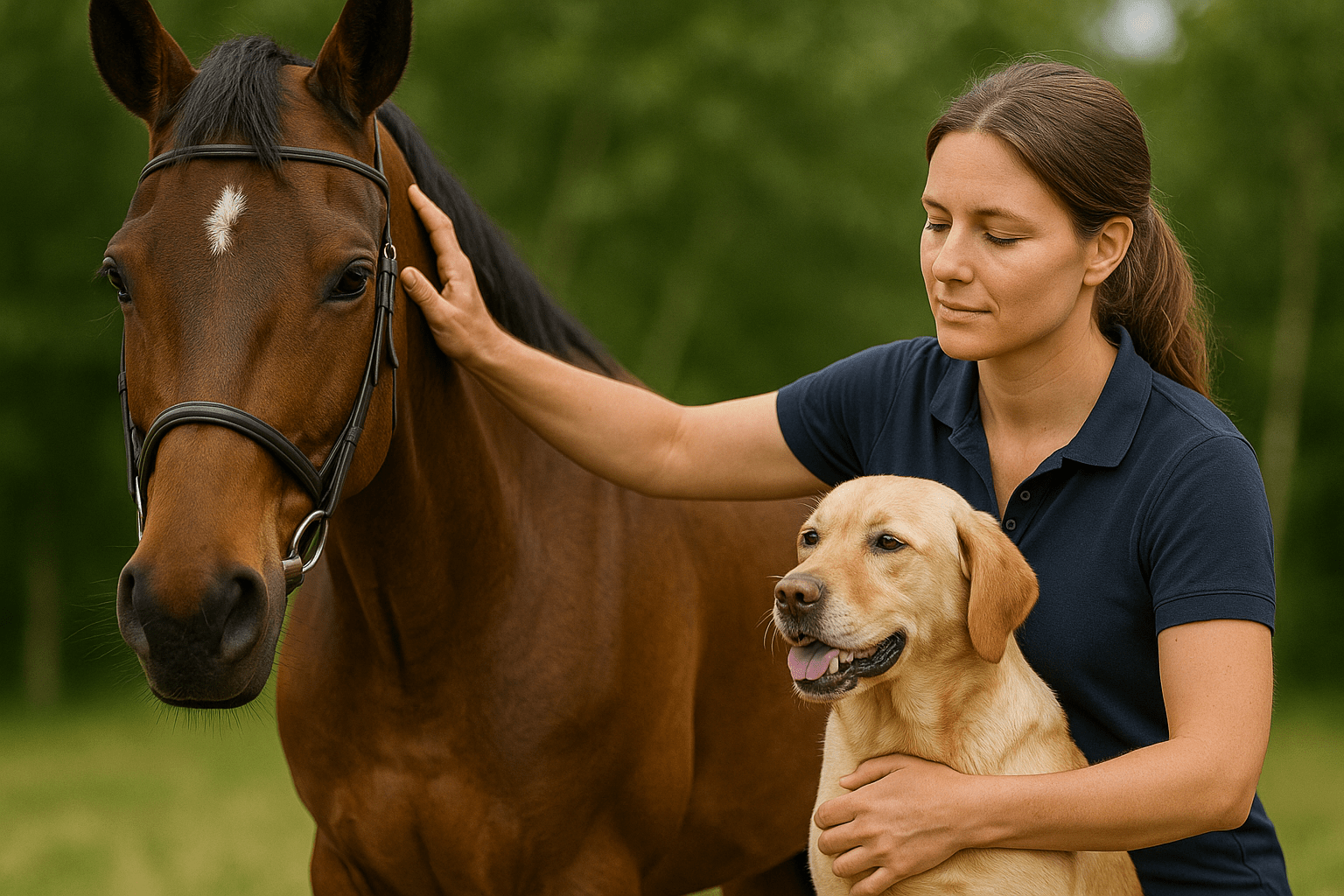
What Is Animal Osteopathy and How It Can Help Your Horse or Dog

If you’ve ever had an osteopathic treatment yourself, you’ll know how much difference gentle, hands-on techniques can make to how your body feels and moves. Animal osteopathy applies the same underlying principles — recognising that structure and function are interrelated, and that when the body is in balance, it can heal and perform more effectively.

What Is Animal Osteopathy?

Animal osteopathy is a more than just a form of manual therapy, it is a system of healthcare that works with the musculoskeletal system — the bones, joints, muscles, and connective tissues — as well as the circulation and nervous system that support them. It’s based on the osteopathic philosophy that the body functions as a whole, and that restrictions in one area can affect other parts over time as well as the understanding when not impeded, the body has the ability to self-heal and self-regulate.

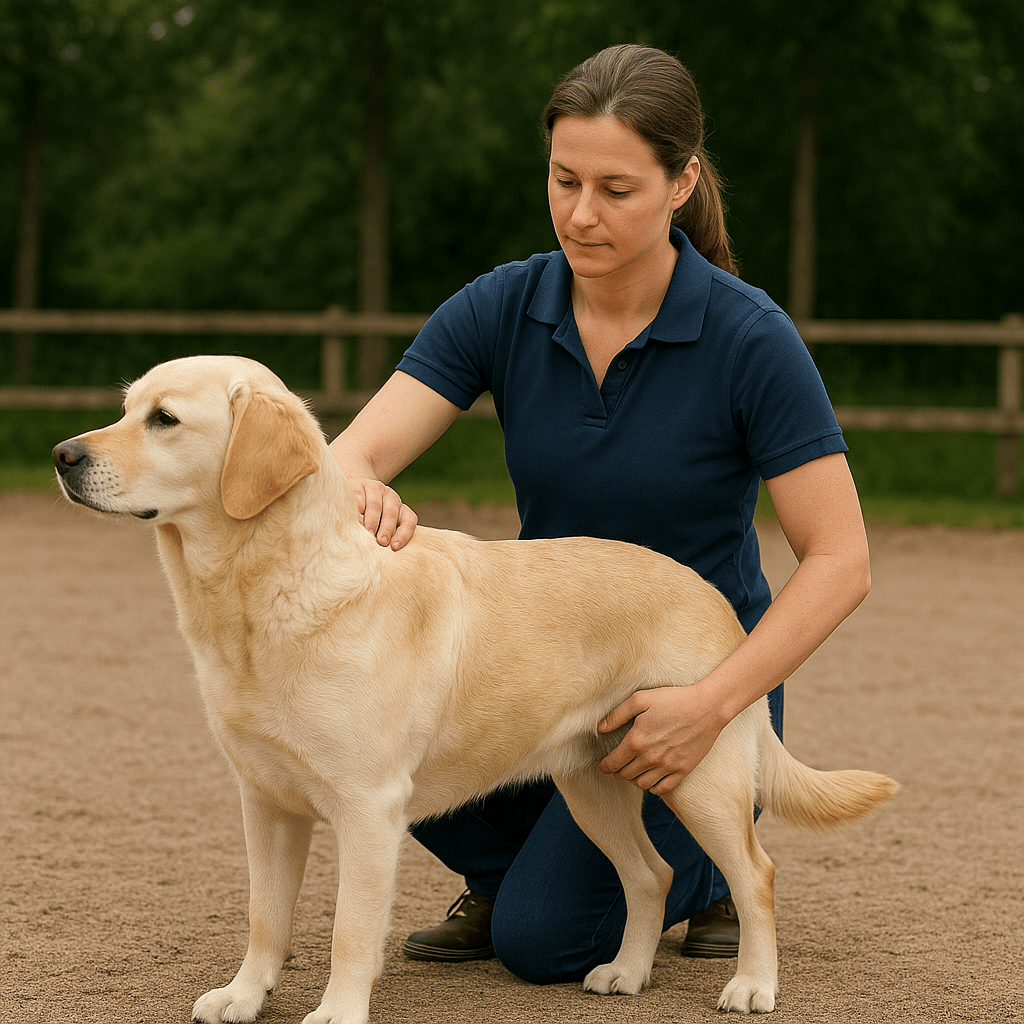
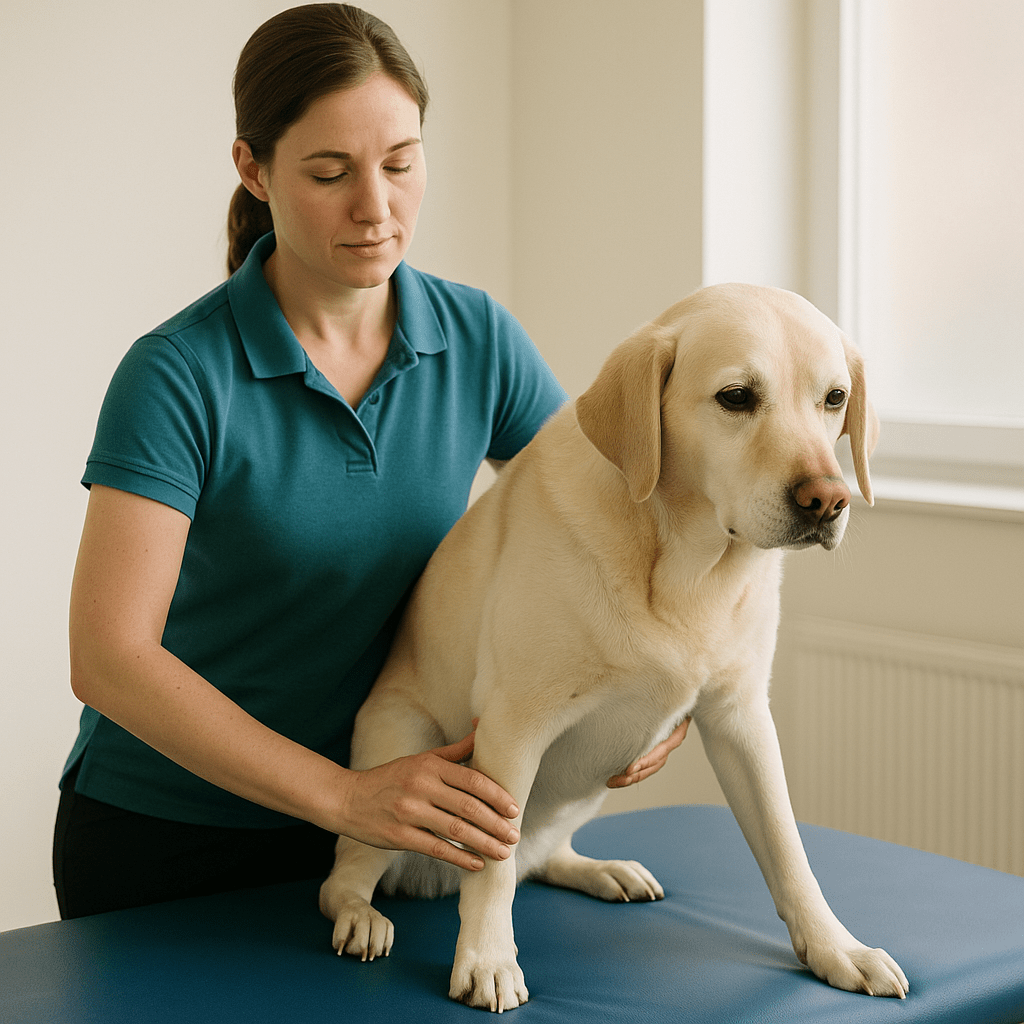
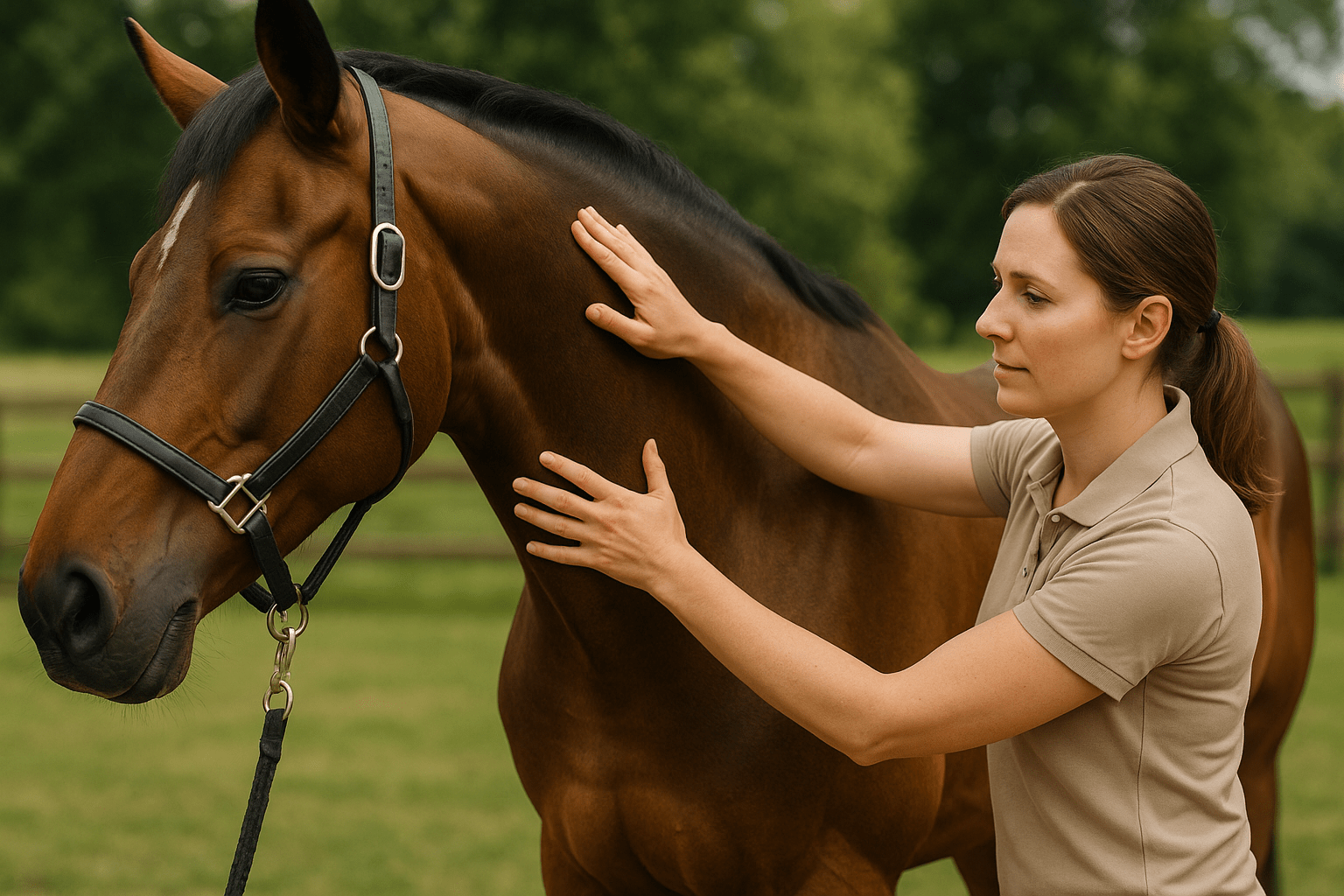
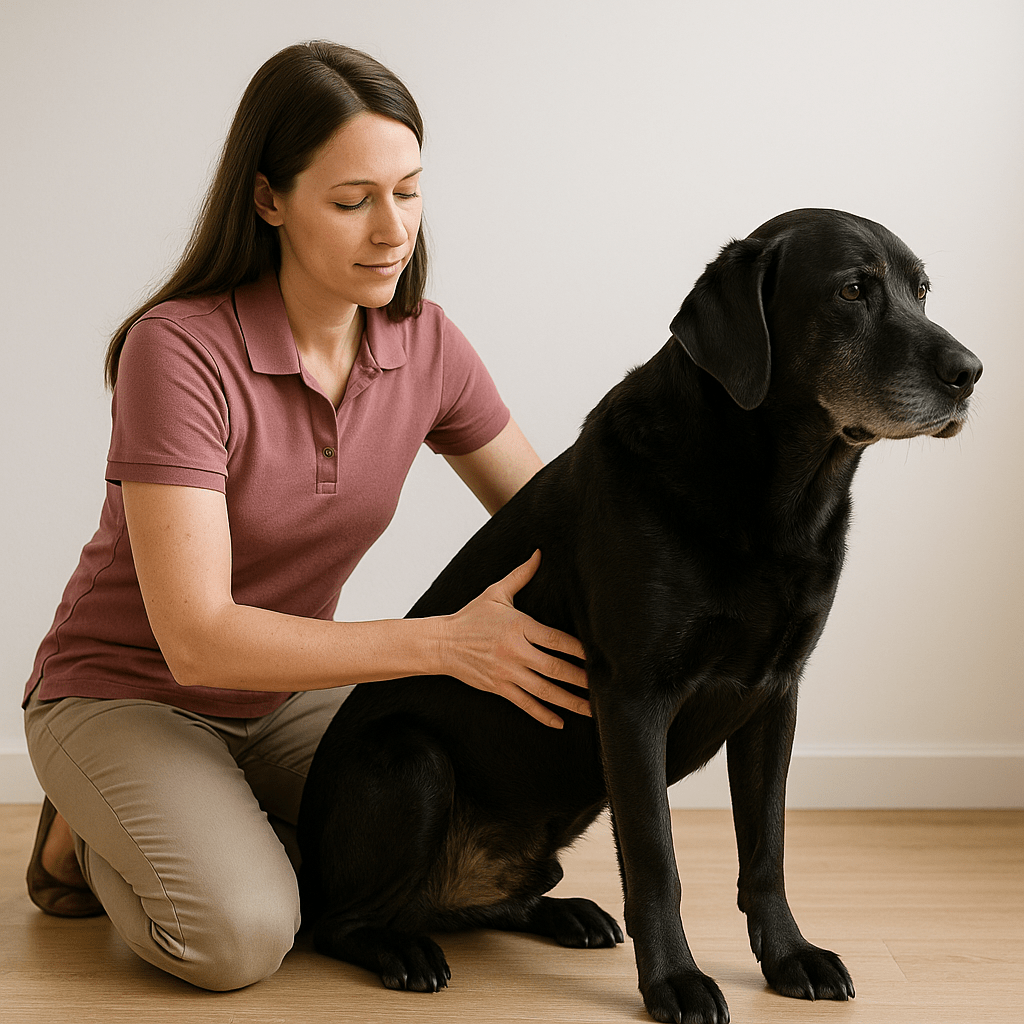
In practice, this means your osteopath will use observation and skilled palpation (the art of feeling with the hands) to assess how your horse or dog moves, identifying areas of tension, imbalance, or reduced mobility. Treatment then involves a range of gentle techniques such as soft tissue release, stretching, articulation, and sometimes very subtle cranial or fascial work or mobilisations — all aimed at restoring natural motion and supporting the animal’s own ability to adapt and heal. The key is to work with the animal, not to enforce treatment upon the animal.

How Can Osteopathy Help?

Just like people, animals can develop stiffness, muscle tension, or joint restrictions from their day-to-day activities. Horses may experience unevenness under saddle, reluctance to bend or canter on one rein, or changes in behaviour such as tail-swishing or resisting contact. Dogs might show signs like difficulty jumping into the car, slowing down on walks, or becoming grumpy when touched along the back.

These issues can arise for many reasons — conformation, repetitive strain, old injuries, or simply the physical demands of training and play. By addressing these underlying mechanical imbalances, osteopathic treatment can help to:

  • Improve flexibility and range of motion
  • Enhance performance and comfort under saddle or during activity
  • Support recovery after injury or surgery
  • Reduce compensatory strain elsewhere in the body
  • Promote general well-being and relaxation

Many owners also notice improvements in temperament and willingness. When movement feels easier, behaviour often follows.

A Whole-Body Approach

One of the key distinctions of osteopathy is its holistic approach. Rather than focusing only on the area of discomfort, the osteopath looks at how the whole-body functions together. For instance, a dog with a shoulder strain might actually be compensating for stiffness in the opposite hip, while a horse resisting the right rein could have tension originating from the poll or pelvis.

By finding and addressing these patterns, the osteopath aims not just to relieve symptoms, but to restore overall balance and coordination. This helps reduce the likelihood of recurring problems and supports long-term soundness.

Working Alongside Your Vet

Animal osteopaths always work in partnership with veterinary professionals. In the UK, it is a legal requirement that all animals with an underlying condition and/or requiring remedial care receive veterinary consent before osteopathic treatment. This ensures that any underlying medical conditions are properly diagnosed and that osteopathic care complements — rather than replaces — veterinary medicine.

When used as part of a multidisciplinary approach, osteopathy can be an invaluable addition to your animal’s care plan, enhancing recovery, comfort, and performance.

When to Seek Osteopathic Care

If you notice changes in your horse or dog’s movement, behaviour, or posture — or simply want to support their wellbeing as part of a proactive maintenance routine — an osteopathic assessment can be a great place to start.

Every treatment is tailored to the individual, taking into account their age, lifestyle, and health history. Whether your four-legged friend is a high-level competitor, a working animal, or a beloved companion, osteopathy offers a gentle, non-invasive way to help them move freely and feel their best.